
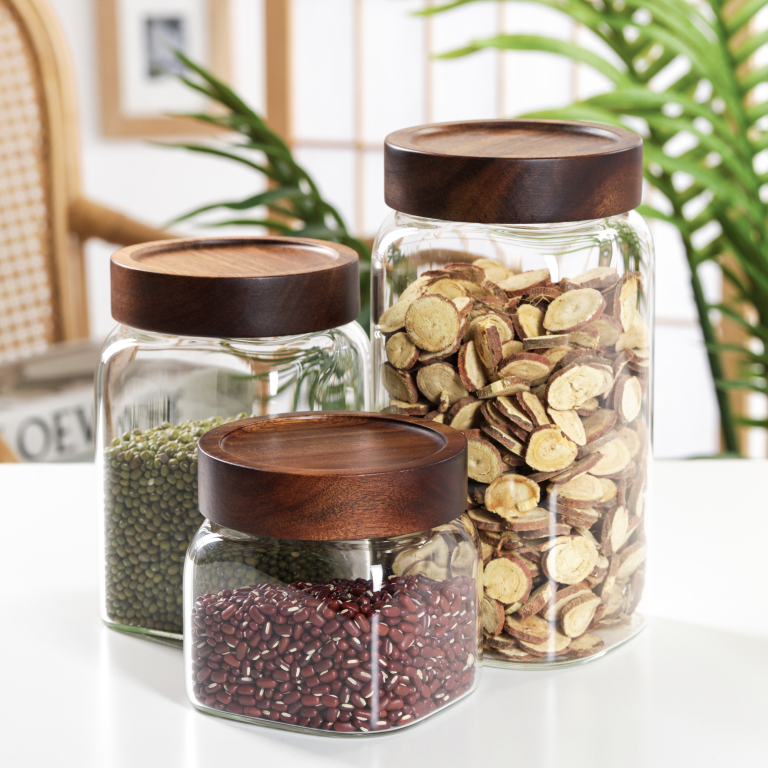
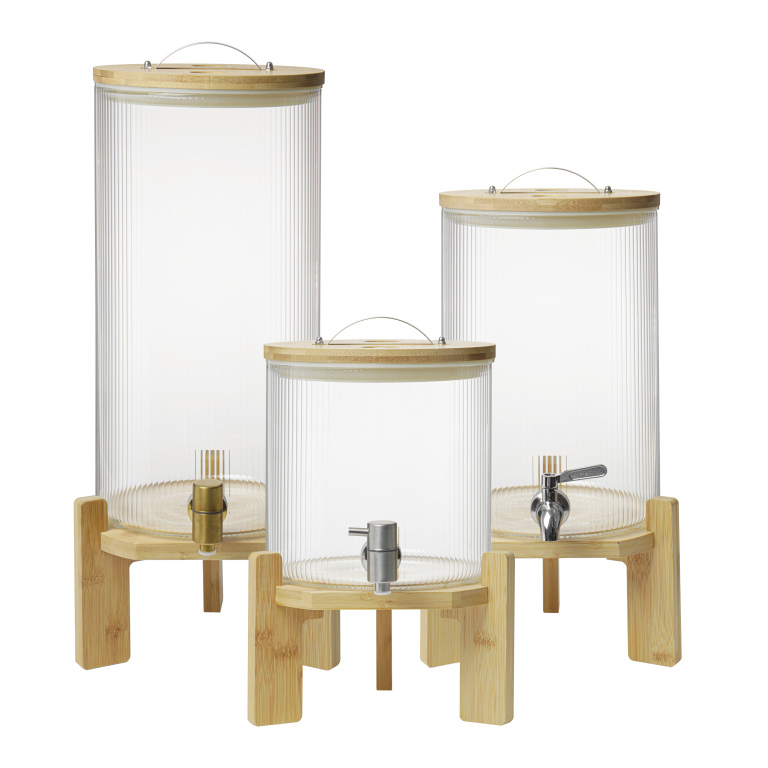
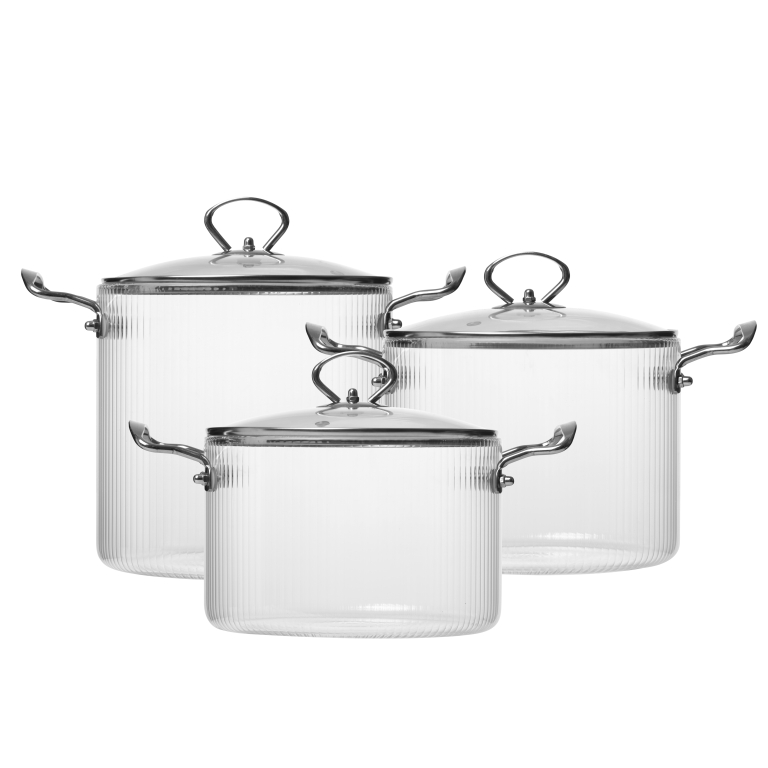
Have you ever opened a jar of spices only to find them clumped together, their aroma faded into a dull memory? Or perhaps you've stored leftover pasta sauce in a plastic container, only to discover it has absorbed a faint, unpleasant chemical taste. These are the silent frustrations of every kitchen—problems that cost us money, time, and the joy of cooking. The answer lies in a simple yet sophisticated solution: glass kitchen jars. But not just any glass jars—those engineered with precision by Hemera (Tianjin) Technology Development Limited. These jars are designed to be the unsung heroes of your pantry, preserving freshness, flavor, and integrity like no other.
Let's dive into the three most pressing pain points in food storage. First, moisture infiltration. Imagine a humid summer day: you open a bag of flour, and within days, it's clumpy and prone to mold. The cost? Wasted ingredients and the risk of foodborne illness. Second, odor transfer and flavor contamination. Plastic containers, even BPA-free ones, can leach chemicals and absorb strong odors from garlic or onions, tainting everything you store. Third, breakage and safety concerns. Traditional glass jars shatter easily, posing a hazard in busy kitchens. These issues lead to frequent replacements, increased waste, and compromised food quality.
Hemera addresses these challenges head-on. For moisture, our jars feature a patented silicone gasket and a clamp-lid system that creates an airtight seal, tested to maintain internal humidity below 10% for over 30 days. For odor control, we use high-borosilicate glass that is non-porous and chemically inert—no more lingering smells. And for durability, our jars undergo a thermal tempering process that makes them five times stronger than standard glass, resisting thermal shock from -20°C to 200°C. Each jar is also UV-protected to shield light-sensitive contents from degradation.
Now, let's hear from our clients. Case 1: Chef Marco from Milan, Italy. He runs a busy restaurant and needed to store premium saffron. After switching to Hemera jars, he reported a 40% reduction in spoilage and said, "These jars lock in the delicate aroma like no other." Case 2: Sarah, a food blogger in Portland, USA. She stores her homemade granola and spices. Noticed a 50% longer shelf life for her herbs. Quote: "I can finally buy in bulk without worry." Case 3: Mr. Tanaka, a factory manager in Osaka, Japan. He uses Hemera jars for storing sensitive electronic components in a cleanroom. Reported zero contamination incidents over 18 months. Quote: "The precision seal is unmatched." Case 4: Emily, a home cook in London, UK. She stores her coffee beans and saw a 30% improvement in flavor retention after one month. Quote: "My morning coffee has never tasted better." Case 5: Dr. Patel, a researcher in Mumbai, India. Uses Hemera jars for storing chemical samples. Noted a 60% reduction in evaporation losses. Quote: "The airtight seal is laboratory-grade."
Our jars are used in diverse applications: from pantry organization for dry goods, to sous vide cooking where jars withstand prolonged heat, to fermentation where a perfect seal is critical. We partner with major kitchenware distributors like KitchenAid and Sur La Table, and our jars are specified by industrial kitchens for bulk storage. Hemera also collaborates with food manufacturers to customize jar sizes and sealing mechanisms for their production lines.
Here are five questions frequently asked by engineers and procurement managers:
Q1: What is the leak rate of your jar seal under vacuum?
A: Our standard jar achieves a leak rate of less than 0.05 mbar·L/s when tested at 0.8 bar differential pressure, as per ISO 10648-2.
Q2: Can your jars be used for hot filling?
A: Yes, our tempered glass can withstand temperatures up to 200°C. However, we recommend gradual cooling to avoid thermal shock. For hot filling above 90°C, use our specific 'Hot Fill' series with reinforced lids.
Q3: What is the maximum number of autoclave cycles?
A: Our jars can endure over 100 autoclave cycles at 121°C without degradation, based on internal testing following ASTM D4169.
Q4: How do you ensure the glass is free from defects?
A: We use automated optical inspection systems that detect scratches, bubbles, and thickness variations down to 0.1 mm. Each jar is individually checked before packaging.
Q5: Are your jars compatible with existing capping machines?
A: Yes, our jar neck finishes conform to DIN and ISO standards. We provide technical drawings for integration with rotary cappers and vacuum sealers.
In summary, Hemera glass kitchen jars are not just containers—they are engineered solutions that reduce waste, protect food quality, and enhance safety. To explore the full technical specifications, download our white paper on advanced food storage materials. Or contact our sales engineers for a customized consultation. Your kitchen deserves the silent heroes.
