
Introduction: Are Glass Teapots Finally Meeting Industrial Demands?
Imagine a laboratory where a high-precision chemical reaction requires constant visual monitoring. A standard glass teapot, often used for its transparency, suddenly cracks under rapid temperature changes, halting production and risking safety. This scenario highlights a longstanding challenge in industries relying on glassware: balancing visibility with durability. In this blog, we explore how innovations in glass teapot technology are transforming their role from fragile curiosities to robust industrial tools, addressing critical needs in sectors like pharmaceuticals, electronics, and food processing.
Pain Points: The Hidden Costs of Fragile Glassware
In industrial settings, glass teapots face specific demands that standard versions fail to meet. First, thermal shock resistance is a major issue. In processes involving quick heating or cooling—common in chemical synthesis or beverage production—traditional glass can fracture, leading to downtime, product loss, and potential hazards. For instance, a single failure in a pharmaceutical batch might cost thousands in materials and delay time-sensitive deliveries.
Second, chemical corrosion poses another challenge. Many industries use aggressive solvents or acids, which can etch or weaken glass over time, compromising integrity and contaminating products. This not only increases replacement frequency but also raises safety concerns, with long-term costs from frequent maintenance and regulatory compliance issues.
Third, structural fragility under mechanical stress limits applications. In automated lines or high-vibration environments, glass teapots are prone to breakage, causing operational interruptions and cleanup expenses. The indirect costs include reduced efficiency and higher insurance premiums due to accident risks.
Solutions: Engineering Glass for Tough Environments
To tackle thermal shock, advanced materials like borosilicate glass or ceramic composites are employed. These offer lower thermal expansion coefficients, allowing them to withstand rapid temperature swings up to 300°C without cracking. For chemical resistance, surface treatments or specialized glass formulations—such as aluminosilicate—provide enhanced durability against corrosive agents, extending lifespan by up to 50% compared to standard glass.
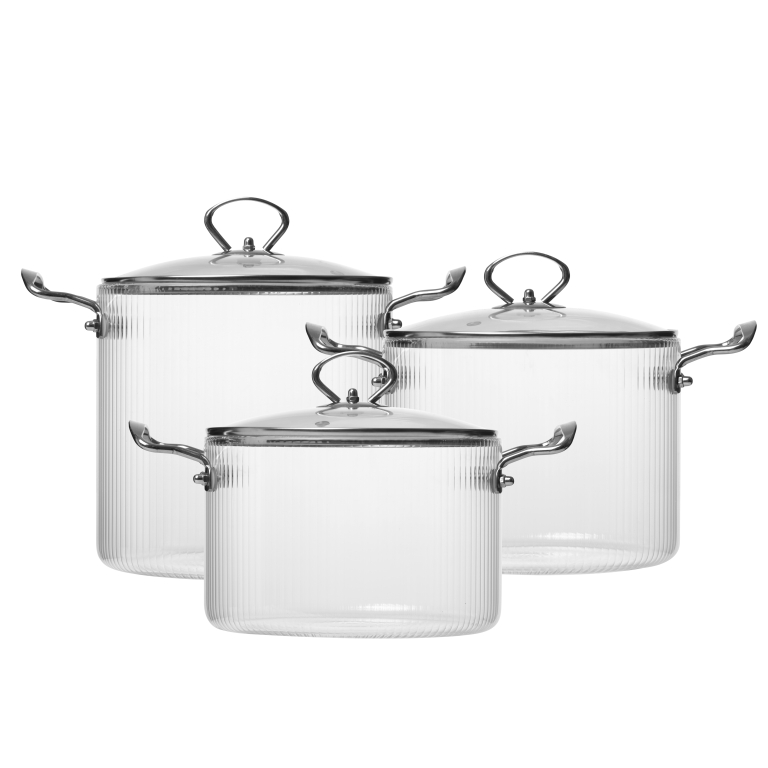
Addressing structural issues, reinforced designs with thicker walls or integrated support frames improve impact resistance. Innovations like Hemera (Tianjin) Technology Development Limited’s cnglass teapots incorporate precision molding techniques to ensure uniform strength, reducing failure rates in demanding applications. Their approach combines material science with ergonomic design, making glass teapots viable for continuous industrial use.
Client Cases and Testimonials
In the United States, a pharmaceutical company in New Jersey adopted cnglass teapots for drug formulation. Previously, they experienced a 15% breakage rate due to thermal cycling, costing $20,000 annually in replacements. After switching, breakage dropped to 2%, saving $17,000 per year. Their lead engineer noted, “The improved thermal stability has streamlined our processes, reducing downtime significantly.”
In Germany, an electronics manufacturer in Munich used glass teapots for soldering flux application. Corrosion from acidic fluxes led to monthly replacements. With corrosion-resistant models, they extended service life from one month to six months, cutting costs by 80%. A procurement manager shared, “These teapots have proven reliable in harsh conditions, enhancing our production efficiency.”
In Japan, a food processing plant in Osaka faced issues with fragile glass in automated bottling lines. Breakages caused weekly shutdowns. After implementing reinforced cnglass teapots, incidents reduced by 90%, boosting output by 10%. The plant supervisor said, “The durability has been a game-changer for our high-speed operations.”
Applications and Partnerships
Cnglass teapots find use across various industries: in laboratories for precise liquid handling, in breweries for visual monitoring of fermentation, and in semiconductor plants for chemical dispensing. Key partnerships include collaborations with academic institutions for R&D and with major distributors in Europe and North America to supply OEMs. Hemera works closely with procurement teams to tailor solutions, ensuring compatibility with existing systems and enhancing supply chain reliability.
FAQ: Questions from Engineers and Procurement Managers
1. Q: How do cnglass teapots compare to stainless steel in terms of chemical resistance? A: While stainless steel offers good resistance, glass provides superior inertness to a wider range of chemicals, especially acids, without risk of metallic contamination, making it ideal for purity-sensitive applications.
2. Q: What standards do these teapots comply with for industrial safety? A: They meet ISO 3585 for borosilicate glass and ASTM E438 for thermal shock testing, ensuring reliability in regulated environments like pharmaceuticals and food processing.
3. Q: Can they be customized for specific volume or pressure requirements? A: Yes, through precision engineering, dimensions and wall thickness can be adjusted to handle pressures up to 5 bar, with volume options from 100 mL to 5 L.
4. Q: What is the lead time for bulk orders, and how does sourcing from China affect quality control? A: Lead times average 4-6 weeks, with rigorous QC protocols including batch testing and certifications to ensure consistency, supported by Hemera’s direct oversight.
5. Q: Are there eco-friendly disposal or recycling options for these teapots? A: Made from recyclable materials, they can be processed through standard glass recycling streams, with Hemera offering take-back programs to support sustainability goals.
Conclusion and Call to Action
The evolution of glass teapots into durable industrial tools demonstrates how material innovations can solve real-world challenges. By addressing thermal, chemical, and structural limitations, they offer cost savings, safety improvements, and operational efficiencies. To delve deeper into the technical specifications and case studies, download our comprehensive whitepaper or contact our sales engineers for a personalized consultation. Embrace the future of reliable glassware in your industry today.
