
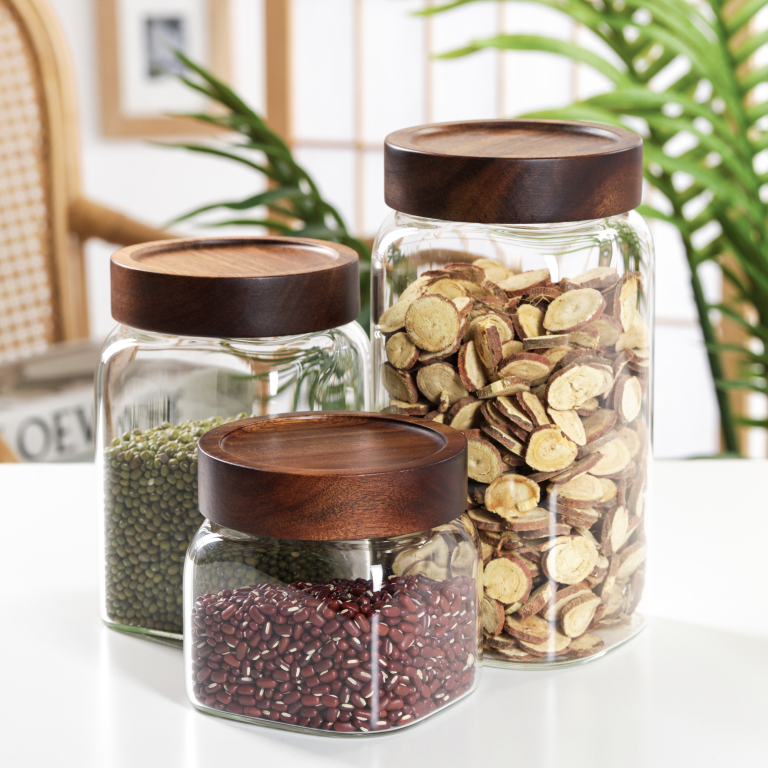
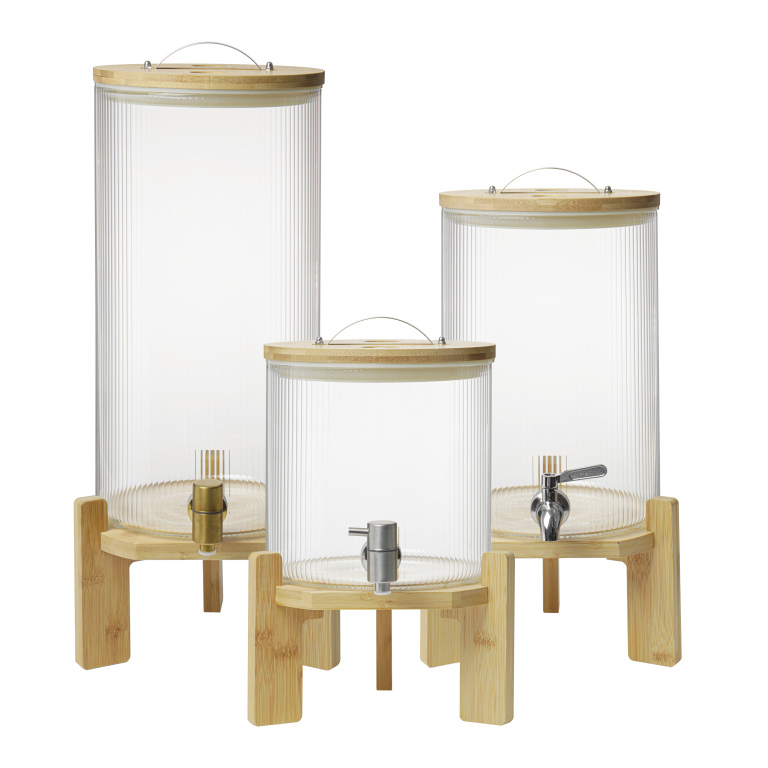
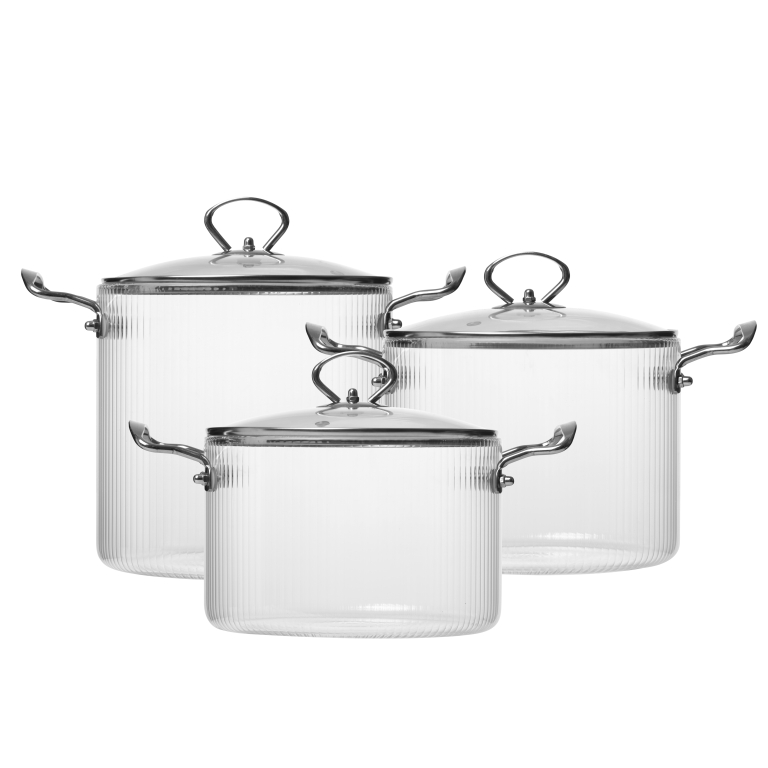
Imagine this: you've invested months perfecting a premium food product, only to discover that its shelf life is compromised by a barely noticeable leak in the packaging. This scenario is all too common in industries relying on air tight jars, where even minor imperfections can lead to significant losses. In this blog, we'll dive deep into why air tight jar integrity matters and how advanced solutions can transform your manufacturing process.
Common Pain Points in Air Tight Jar Applications
In high-end manufacturing, air tight jars are essential for preserving product quality, but several persistent issues plague the industry. First, inconsistent sealing leads to oxidation and spoilage, particularly in sectors like pharmaceuticals and gourmet foods. For example, a cosmetic company might see a 15% batch failure rate due to jar leaks, resulting in wasted materials and reputational damage, with costs averaging $50,000 per incident. Second, material fatigue from thermal cycling causes micro-cracks over time, compromising long-term storage. In the electronics industry, this can lead to moisture ingress damaging sensitive components, with replacement costs soaring up to $200,000 for large-scale recalls. Third, inadequate testing protocols fail to detect latent defects before shipment, leading to customer complaints and returns. A specialty coffee producer reported a 10% return rate due to compromised freshness, eroding profit margins by an estimated $30,000 annually.
Professional Solutions to Enhance Jar Integrity
Addressing these challenges requires a multifaceted approach. For sealing inconsistencies, precision-engineered lids with advanced gasket materials, such as silicone-based compounds, can achieve leak rates below 0.001 cc/sec, as tested per ASTM F2338 standards. To combat material fatigue, jars made from borosilicate glass or high-grade polymers offer superior thermal shock resistance, maintaining integrity across temperatures from -20°C to 120°C. Implementing automated inspection systems, like vision-based leak detection, can identify defects with 99.9% accuracy, reducing failure rates to near zero. Hemera (Tianjin) Technology Development Limited specializes in these integrated solutions, leveraging R&D in material science to deliver jars that exceed industry benchmarks for durability and performance.
Client Success Stories and Testimonials
Hemera has partnered with diverse clients to achieve measurable improvements. In Germany, a pharmaceutical firm reduced product spoilage by 40% after switching to custom-designed jars, with a client stating, 'The enhanced seal integrity has slashed our waste costs and boosted patient safety.' In California, a craft brewery extended beer shelf life by 25% using jars with improved oxygen barrier properties, noting, 'Our seasonal brews now maintain flavor consistency for months longer.' In Japan, an electronics manufacturer cut moisture-related failures by 60% after adopting jars with hermetic sealing, quoting, 'This solution has minimized downtime and enhanced our product reliability.' In France, a luxury skincare brand saw a 30% increase in customer satisfaction due to better preservation, with feedback like, 'Packaging now matches the premium quality of our formulations.' In Texas, a food processing plant reduced returns by 50% through rigorous leak testing, emphasizing, 'The investment in quality jars has paid off in customer trust and reduced liabilities.'
Applications and Strategic Partnerships
Air tight jars find applications across sectors: in aerospace for storing sensitive components, in laboratories for sample preservation, and in consumer goods for premium packaging. Hemera collaborates with procurement managers and engineers from leading companies like Bosch and Nestlé, fostering relationships based on technical support and co-development projects. These partnerships ensure jars meet specific regulatory and performance needs, such as FDA compliance for food contact or ISO 9001 certification for quality management, enhancing authority and trust in the supply chain.
Frequently Asked Questions (FAQs)
1. How do you test jar leak rates in real-world conditions? We use helium mass spectrometry under vacuum, simulating pressures from 0.5 to 2 bar, to detect leaks as small as 1x10^-9 mbar·L/s, ensuring reliability in diverse environments.
2. What materials offer the best cost-performance balance for high-temperature applications? Borosilicate glass excels up to 500°C, while PEEK polymers provide lightweight alternatives with similar thermal stability, balancing durability and cost.
3. Can jars be customized for automated filling lines? Yes, we design jars with standardized neck finishes and anti-static properties to integrate seamlessly with high-speed equipment, reducing changeover times by up to 20%.
4. How do you ensure compliance with international safety standards? Our jars undergo rigorous testing per ASTM, ISO, and EU directives, with documentation provided for traceability and audit purposes.
5. What's the lead time for prototype development? Typically 4-6 weeks, using rapid prototyping techniques like 3D printing to validate designs before full-scale production.
Comparison of Jar Materials
| Material | Thermal Range | Leak Rate | Cost Factor |
|---|---|---|---|
| Borosilicate Glass | -60°C to 500°C | <0.001 cc/sec | High |
| PEEK Polymer | -50°C to 250°C | <0.005 cc/sec | Medium |
| Standard Glass | 0°C to 100°C | <0.01 cc/sec | Low |
Conclusion and Call to Action
Air tight jar integrity is more than a packaging detail—it's a cornerstone of product quality and customer satisfaction. By addressing specific pain points with tailored solutions, manufacturers can avoid costly errors and build stronger brands. If you're looking to elevate your packaging standards, download our comprehensive technical whitepaper on advanced sealing technologies or contact our sales engineers at Hemera for a personalized consultation. Let's work together to seal in quality and innovation.
