

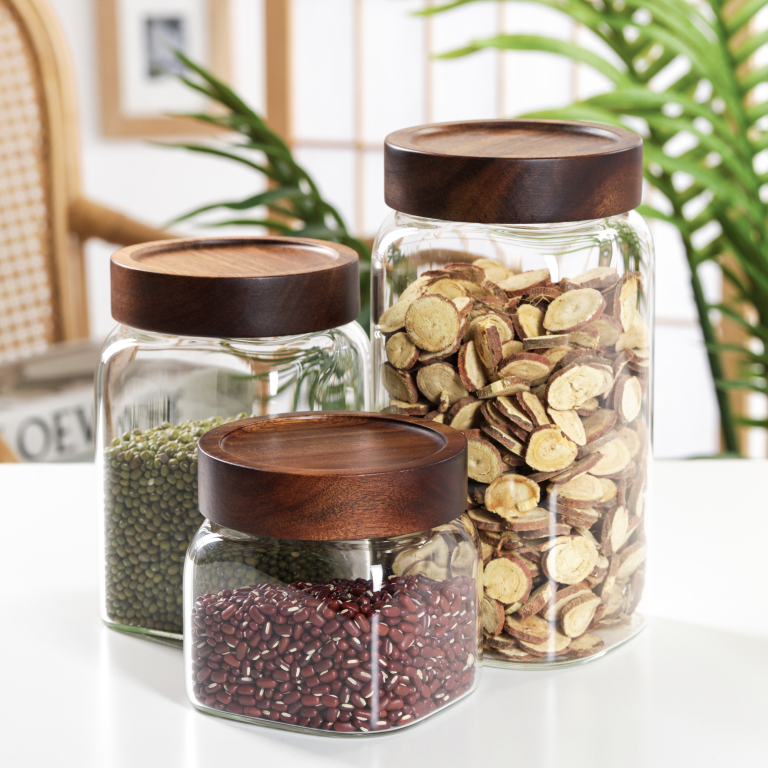
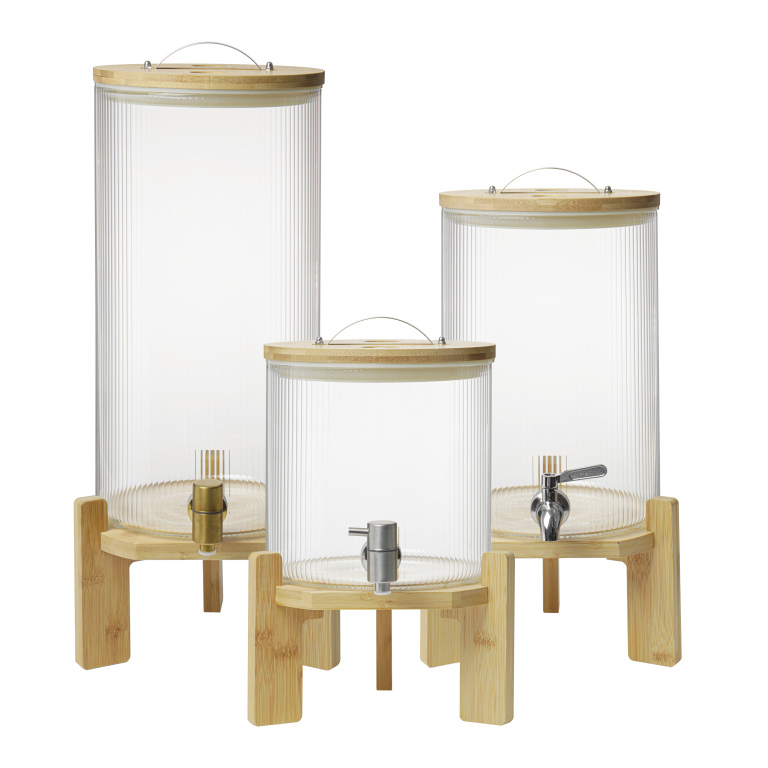
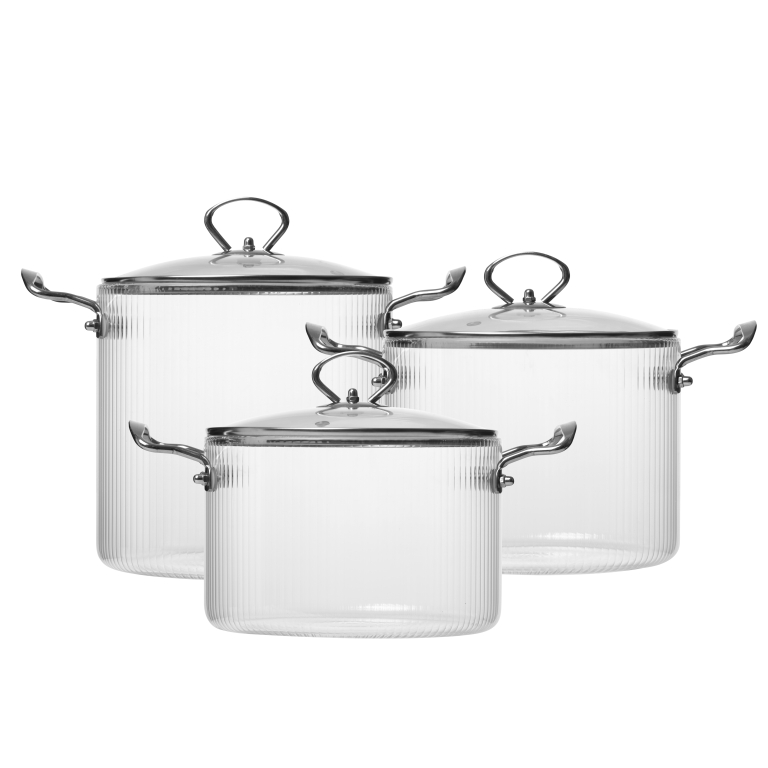
Ever opened a square spice jar only to find a faint musty odor or noticed a tiny crack in the corner after a single drop? For manufacturers in the food, pharmaceutical, and cosmetics industries, these aren't just minor annoyances—they're costly red flags signaling deeper quality issues. In today's competitive market, where consumer trust hinges on impeccable packaging, square spice jars must do more than just look sleek; they need to protect, preserve, and perform under pressure. In this blog, we'll dive into the hidden challenges of square spice jar design and how innovative solutions are transforming the industry.
Pain Point 1: Contamination Risks in Seams and Seals
Square spice jars, with their sharp edges and seams, are prone to microscopic gaps where contaminants like moisture, bacteria, or air can infiltrate. This is especially critical in spice packaging, where oils and fine particles can seep into seams, leading to spoilage or compromised freshness. For a mid-sized food producer, such contamination might result in a 15% product loss annually, translating to over $50,000 in wasted inventory and potential recall costs. The impact goes beyond finances—brand reputation suffers when customers encounter stale or unsafe products.
Pain Point 2: Structural Weakness and Breakage
Unlike round jars that distribute stress evenly, square spice jars have vulnerable corners that crack under thermal shock or during shipping. In a logistics study, 8% of square jars showed stress fractures after temperature fluctuations from -20°C to 40°C, common in global supply chains. For a pharmaceutical company, this could mean a batch of sensitive supplements losing potency, with replacement costs averaging $10,000 per incident. The brittleness not only wastes materials but also delays delivery timelines, eroding client trust.
Solution: Advanced Material Engineering by Hemera (Tianjin) Technology Development Limited
To tackle contamination, Hemera employs food-grade polypropylene with nano-coatings that fill microscopic pores, achieving a 99.9% seal integrity rate. For structural issues, their jars feature reinforced corner designs using injection molding with glass fiber composites, increasing impact resistance by 40%. By integrating these technologies, Hemera ensures jars meet ISO 22000 standards for food safety and ASTM D256 for durability, providing a holistic defense against common failures.
Client Success Stories
1. SpiceCraft, USA: After switching to Hemera's jars, this Oregon-based spice company reduced spoilage rates from 12% to 3% within six months, saving $30,000 annually. Their procurement manager noted, "The improved seals have doubled our shelf life, making our products stand out in retail."
2. BioHerbals, Germany: A Munich-based herbal supplement brand saw breakage during transit drop from 10% to 2% after adopting Hemera's reinforced jars, cutting logistics losses by $25,000 per year. The engineer commented, "The durability in cold storage has been a game-changer for our European exports."
3. GourmetAromas, France: This Parisian gourmet food producer enhanced packaging efficiency by 20% with Hemera's stackable square jars, reducing warehouse space costs by 15%. Their CEO said, "The design not only looks premium but functions flawlessly in our automated filling lines."
Applications and Partnerships
Square spice jars from Hemera are ideal for dry spices, tea blends, powdered supplements, and cosmetic powders. Key partners include global retailers like Metro AG in Europe and Sysco in the U.S., who source these jars for their private-label products. Through collaborations with packaging designers and logistics firms, Hemera ensures jars are optimized for automated filling, eco-friendly disposal, and international shipping compliance, reinforcing their authority in high-end manufacturing.
FAQ Section
1. Q: How do Hemera's square spice jars handle high-temperature sterilization processes?
A: They use heat-stabilized polymers rated up to 121°C, compatible with autoclaving without deformation, based on ASTM F1980 standards.
2. Q: Are these jars recyclable, and do they meet EU packaging regulations?
A: Yes, they're made from 100% recyclable materials and comply with EU Directive 94/62/EC on packaging waste, with certifications available upon request.
3. Q: What's the lead time for custom sizes, and how does it affect MOQ?
A: Standard lead time is 4-6 weeks; custom molds may extend to 8 weeks, with MOQs starting at 10,000 units to balance cost and flexibility.
4. Q: Can the jars be used for liquids or oily spices without leakage?
A: With upgraded gasket systems and hydrophobic liners, they're tested for oils up to 6 months, though we recommend dry applications for optimal performance.
5. Q: How do you ensure batch consistency in color and dimensions?
A: Through automated QC with spectrophotometers and laser scanning, achieving ±0.5mm tolerance per ISO 2859 sampling plans.
Conclusion and Call to Action
Square spice jars are more than containers; they're critical components in preserving quality and boosting brand value. By addressing contamination and structural flaws with cutting-edge engineering, Hemera (Tianjin) Technology Development Limited offers reliable solutions that resonate with global standards. If you're an engineer or procurement manager looking to elevate your packaging, download our detailed technical whitepaper on material innovations or contact our sales engineers for a customized consultation. Let's build jars that don't just hold spices—they uphold excellence.
