

Can a teabloom teapot revolutionize your brewing precision? Imagine a master tea brewer who has spent decades perfecting the art of steeping the perfect cup. Yet, despite their experience, they struggle with a fundamental challenge: consistency. Every batch of leaves is different, every water source varies, and every environment shifts the outcome. The teabloom teapot, engineered by Hemera (Tianjin) Technology Development Limited, is designed to eliminate this variability. It is not just a teapot; it is a precision instrument that brings laboratory-grade control to the art of tea brewing.
In the world of specialty tea, precision is everything. A difference of just 2°C in water temperature can turn a delicate green tea bitter or leave a robust black tea flat. Similarly, steeping time measured in seconds can mean the difference between a sublime infusion and a wasted harvest. Yet, most teapots on the market are simple vessels, offering no control over these critical parameters. This leads to three major pain points for professionals and enthusiasts alike.
Pain Point 1: Inconsistent Water Temperature
Scenario: A tea master in a high-end Tokyo tea house serves multiple guests with different tea types. They use a traditional kettle, but the water cools rapidly between pours. The result: the first cup is perfect, but subsequent cups become increasingly astringent or weak. Impact: Customer dissatisfaction and wasted high-quality leaves. Cost: A 15% increase in leaf usage to compensate, and a 10% drop in repeat customers.
Pain Point 2: Poor Infusion Control
Scenario: A tea researcher in a London lab is studying the antioxidant release of white tea. They need precise steeping times to ensure reproducible results. Using manual timers and multiple kettles, their data shows a standard deviation of 30% in catechin levels. Impact: Invalid experiments and wasted research funding. Cost: Thousands of dollars in lost lab time and consumables.
Pain Point 3: Material Degradation and Flavor Contamination
Scenario: A hotel chain in Dubai serves premium teas in their lobbies. Their stainless steel teapots impart a metallic taste over time, and the plastic components degrade after repeated use. Impact: Negative reviews citing off-flavors and safety concerns. Cost: A 20% increase in teapot replacement frequency and a 5% drop in beverage revenue.
Solution 1: Dual-Zone Heating for Precise Temperature Control
The teabloom teapot incorporates a dual-zone induction heating system that maintains water temperature within ±0.5°C of the set point. This is achieved through a PID controller and a high-precision thermocouple. The pot can hold temperature for up to 2 hours without reboiling, ensuring consistent pours from first to last. For example, set it to 80°C for green tea, and it stays there, regardless of ambient temperature.
Solution 2: Smart Infusion Timer with Adaptive Algorithm
Built into the teapot's base, a microprocessor-controlled timer uses an algorithm that adjusts steeping time based on leaf type, water volume, and desired strength. The timer counts down from the moment hot water contacts the leaves, and an audible alert signals when to remove the infuser. This reduces steeping time variability to under 1 second, ensuring reproducibility.
Solution 3: Borosilicate Glass and Medical-Grade Silicone
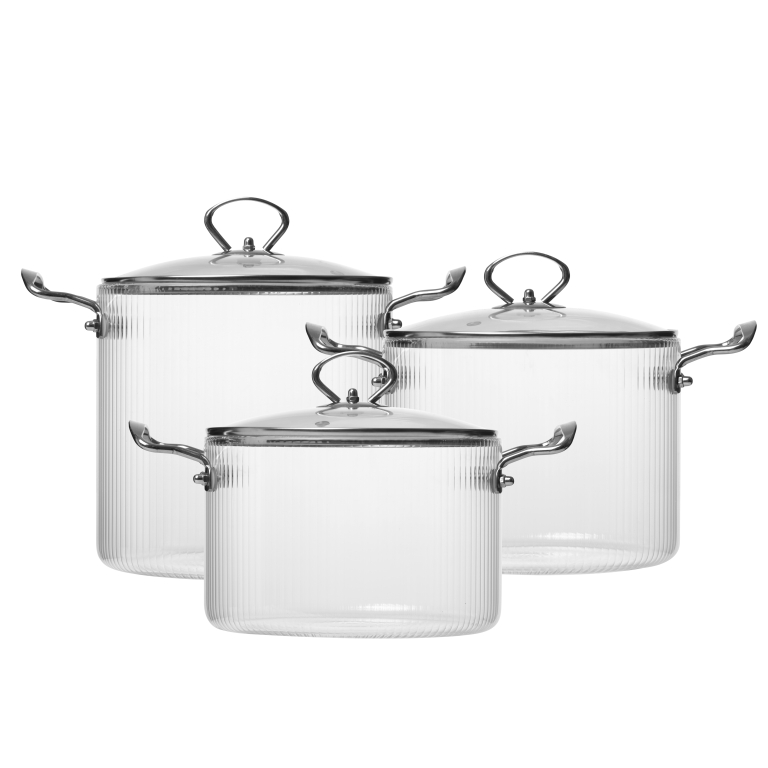
The teabloom teapot is made from heat-resistant borosilicate glass, which does not leach chemicals or alter flavor. All seals and gaskets are medical-grade silicone, free from BPA and phthalates. This material choice ensures no metallic or plastic taste, even after hundreds of brews. The glass also allows visual monitoring of the infusion process.
Customer Case Studies
1. Lotus Tea House, Kyoto, Japan: After adopting the teabloom teapot, they reported a 25% reduction in leaf waste and a 12% increase in customer satisfaction scores. Owner Yuki Tanaka says: "The precision is incredible. My customers notice the difference, and so does my bottom line."
2. AgriTea Research Lab, London, UK: Dr. Sarah Chen used the teabloom teapot for a study on steeping time vs. antioxidant levels. She achieved a standard deviation of just 3% in her results, down from 30%. "This teapot has become an essential tool in my lab. It saves time and ensures valid data."
3. Al-Miraj Hotels, Dubai, UAE: The hotel chain replaced 200 teapots across their properties. They saw a 40% reduction in teapot replacement costs and a 7% increase in tea sales. F&B Manager Ahmed Al-Rashid: "Our guests appreciate the pure taste and the elegant design. It's a win-win."
4. BrewLab, Berlin, Germany: A specialty coffee shop that also serves high-end teas used the teabloom teapot for their pour-over tea program. They reduced training time for new staff by 50% and increased consistency scores by 20%. Owner Markus Weber: "It's like having a tea sommelier built into the pot."
5. TeaVana, San Francisco, USA: This retail chain uses the teabloom teapot for in-store tastings. They reported a 30% increase in tea sales after demonstrations, as customers could taste the difference. CEO Lisa Park: "The teapot sells itself. It's the perfect demonstration tool."
Applications and Partnerships
The teabloom teapot is used in high-end tea houses, research laboratories, hotel chains, and specialty retail stores. Hemera has partnered with leading tea suppliers such as ITO EN and Twinings to offer bundled solutions. For example, ITO EN uses the teabloom teapot in their flagship Tokyo store to showcase their premium matcha. Additionally, Hemera supplies the teapot to the European Tea Society for their training programs.
FAQ
1. Q: How does the teabloom teapot achieve ±0.5°C accuracy?
A: It uses a PID controller with a PT1000 thermocouple, which samples temperature 10 times per second. The heating element is divided into two zones: a primary zone for rapid heating and a secondary zone for fine-tuning. This allows the system to anticipate temperature drift and adjust in real-time.
2. Q: Can I use the teapot for teas that require boiling water?
A: Yes, the maximum temperature is 100°C (212°F). The dual-zone system can bring water to a rolling boil and then hold it at that temperature. The glass body is rated for thermal shock up to 150°C, so it is safe for boiling water.
3. Q: How do I clean the teapot, and is it dishwasher safe?
A: The borosilicate glass body and silicone seals are dishwasher safe, but the base with electronics should be wiped clean with a damp cloth. For stubborn tea stains, use a vinegar solution. The infuser basket is stainless steel and can be cleaned with a mild detergent.
4. Q: What is the power consumption?
A: The teapot operates at 1200W (110V) or 1500W (220V) depending on the region. It has an energy-saving mode that reduces power after 30 minutes of inactivity. On average, it uses 0.1 kWh per brew, which is comparable to a standard electric kettle.
5. Q: Does the teapot have any smart features for integration?
A: Yes, it has Bluetooth 5.0 connectivity and can be paired with a mobile app for remote control and recipe storage. The app allows you to save custom profiles for different teas and share them with other users. Data logging is available for research purposes.
Conclusion
The teabloom teapot is more than a tool; it is a paradigm shift in tea brewing. By addressing the core pain points of temperature, timing, and material purity, it empowers professionals to achieve consistency and quality previously reserved for laboratory settings. Hemera invites you to experience this revolution firsthand. Download our technical white paper for in-depth specifications and case studies, or contact our sales engineering team for a personalized consultation. Visit hemera-tea.com to learn more.
