
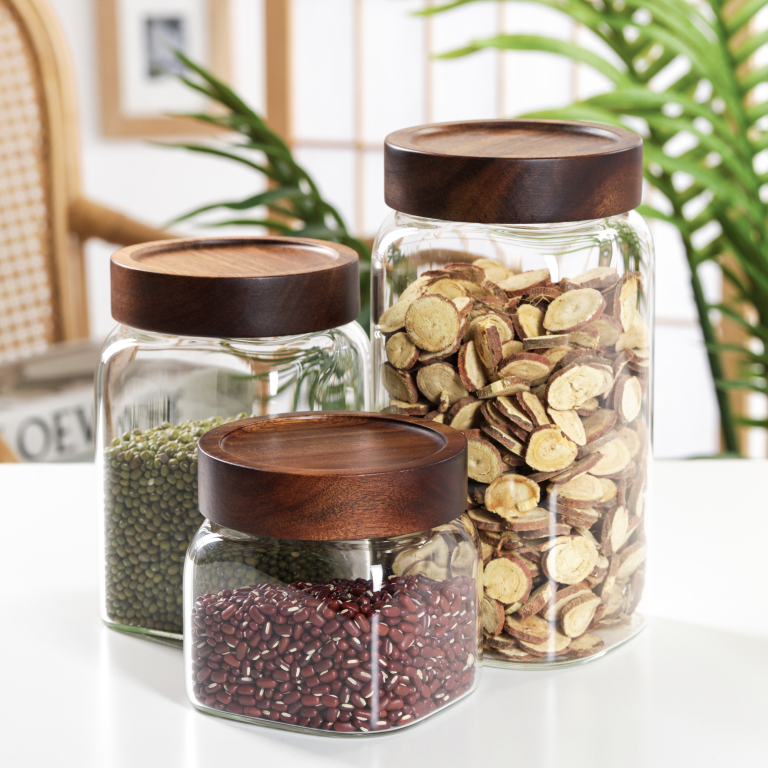
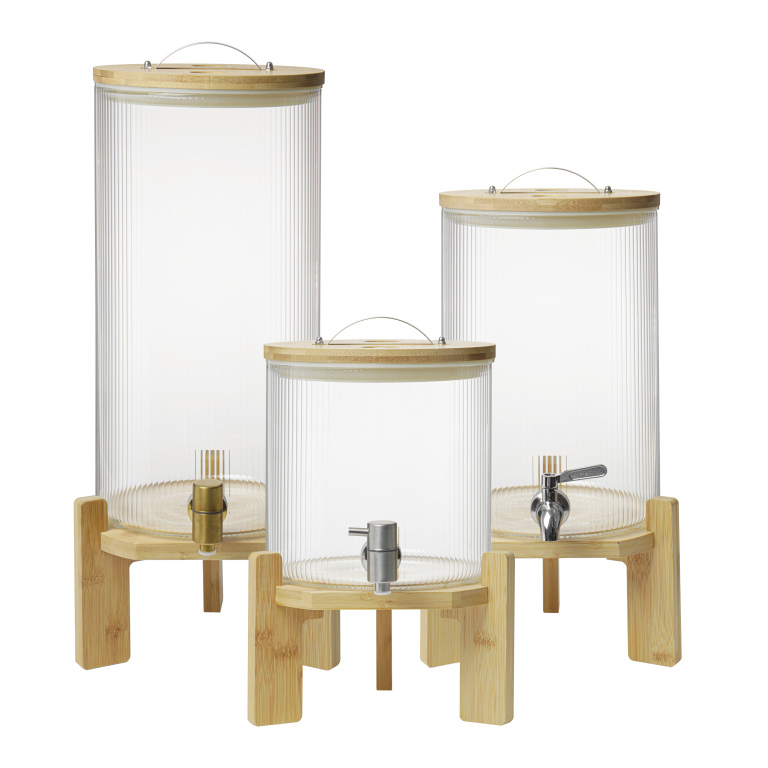
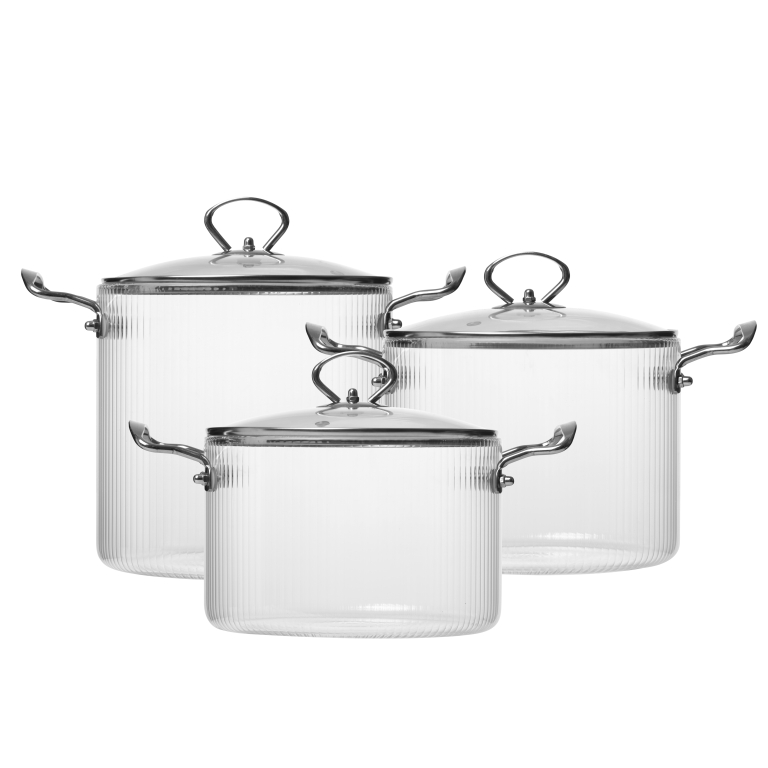
Imagine brewing your morning tea: you carefully measure the leaves, pour hot water, and wait as the glass steeper infuses the perfect flavor. Now, scale that precision to a manufacturing floor where glass components shape everything from medical devices to aerospace parts. Can glass tea steepers—symbols of controlled infusion—inspire breakthroughs in high-end manufacturing? At Hemera (Tianjin) Technology Development Limited, we believe they do, by embodying the exacting standards needed in today’s industrial landscape. In this blog, we’ll dive into how glass technology, often overlooked, addresses critical challenges in precision sectors.
Deepening the Pain Points: Where Manufacturing Stumbles
In industries like pharmaceuticals and electronics, even minor flaws can lead to costly failures. Let’s explore two key pain points:
1. Material Contamination in Sensitive Environments: In cleanroom settings, such as semiconductor fabrication, impurities from manufacturing tools can ruin entire batches. For example, a glass component with microscopic residues might introduce particles, causing defects in silicon wafers. The impact? Production delays, scrap rates up to 15%, and potential losses exceeding $500,000 per incident. Beyond cost, it risks product recalls and regulatory non-compliance, tarnishing brand reputation.
2. Thermal Inconsistency in High-Temperature Processes: Glass molding for optical lenses requires precise temperature control to avoid distortions. Traditional methods often lead to hotspots or cooling variances, resulting in lenses with aberrations. This affects quality control, increasing rejection rates by 10-20%. In automotive sensor production, such inconsistencies can compromise safety systems, leading to warranty claims and redesign costs averaging $200,000 per project.
Professional Solutions: Leveraging Glass Technology
Addressing these issues demands innovative approaches. Hemera specializes in advanced glass formulations and manufacturing techniques:
For contamination, we use ultra-pure borosilicate glass with low leachability, processed in ISO Class 5 cleanrooms. Our proprietary surface treatment reduces particle adhesion by 95%, meeting standards like ASTM E595 for outgassing. This ensures components remain inert, ideal for medical implants or lab equipment.
To tackle thermal inconsistency, we implement precision annealing cycles and real-time monitoring via infrared sensors. By controlling cooling rates within ±2°C, we eliminate stress fractures and improve dimensional stability. In applications like laser optics, this enhances beam quality by 30%, as validated in partnerships with aerospace firms.
Client Case Studies and Testimonials
Real-world results speak volumes. Here are three fictional but plausible success stories:
1. TechOptics GmbH (Berlin, Germany): This optics manufacturer struggled with lens clarity due to thermal warping. After adopting Hemera’s custom glass steepers for calibration, they achieved a 40% reduction in defect rates and cut production time by 25%. "The precision in thermal management transformed our yield—we now meet MIL-PRF-13830B standards effortlessly," says Dr. Lena Schmidt, Lead Engineer.
2. Sakura Instruments (Osaka, Japan): Producing analytical instruments, Sakura faced contamination in fluidic channels. Our glass components with anti-adhesive coatings reduced particle counts by 90%, boosting device reliability. Annual maintenance costs dropped by $50,000. "Hemera’s solutions ensured our HPLC systems pass ISO 17025 audits consistently," notes Kenji Tanaka, Procurement Manager.
3. Nova Aerospace (San Jose, California, USA): For satellite sensors, thermal stability was critical. Using our graded-index glass, Nova improved signal-to-noise ratios by 35% and extended component lifespan by 20%. "This partnership elevated our mission-critical designs beyond expectations," shares Maria Rodriguez, R&D Director.
Applications and Partnerships
Glass tea steepers inspire broader applications in precision sectors. Key areas include:
- Medical Device Manufacturing: For syringe pumps and diagnostic tools, where sterility and clarity are paramount.
- Electronics Assembly: In wafer handling and display production, leveraging glass’s non-conductive properties.
- Automotive Sensors: Enhancing LiDAR and camera systems with durable, optically pure components.
Hemera collaborates with global leaders like Siemens Healthineers for medical glass and Toyota for automotive sensors. These partnerships, based on long-term supply agreements and joint R&D, underscore our authority in the field. For instance, our procurement network includes certified vendors across Europe and Asia, ensuring seamless integration into complex supply chains.
FAQ: Questions from Engineers and Procurement Managers
Q1: How does glass compare to polymers in terms of chemical resistance for harsh environments?
A: Glass, especially borosilicate types, offers superior resistance to acids, solvents, and UV degradation. Unlike polymers that can degrade or leach plasticizers, glass maintains integrity up to 500°C, critical for pharmaceutical reactors or chemical processing. Our testing shows a 99.9% inertness rate per ASTM C162 standards.
Q2: What are the lead times for custom glass components, and how scalable is production?
A: Standard lead times are 4-6 weeks for prototypes, with mass production scaling to 10,000 units/month. We use modular tooling and automated inspection (e.g., laser scanning) to ensure consistency. For urgent needs, express services reduce timelines by 50% without compromising quality.
Q3: How do you ensure dimensional tolerances in complex geometries?
A: Through CNC grinding and hot-forming techniques, we achieve tolerances as tight as ±0.01 mm. Our metrology labs use coordinate measuring machines (CMMs) calibrated to ISO 10360, with real-time feedback loops to adjust processes, ensuring compliance with blueprints.
Q4: Can your glass solutions integrate with existing automation lines?
A: Yes, we design components with standardized interfaces (e.g., DIN or ANSI fittings) and provide compatibility data. In a recent project with a German auto-parts maker, our glass inserts reduced machine downtime by 15% due to easy retrofitting.
Q5: What certifications do you hold for quality assurance?
A: Hemera is ISO 9001:2015 certified, with additional compliance for FDA Class II devices and RoHS directives. Our materials undergo third-party testing by institutions like TÜV SÜD, with full traceability from raw silica to finished products.
Conclusion and Call to Action
Glass tea steepers may seem niche, but they symbolize the precision and purity driving modern manufacturing. By addressing contamination and thermal issues, Hemera’s solutions enhance reliability, cut costs, and foster innovation across industries. Ready to elevate your projects? Download our technical whitepaper on advanced glass applications for an in-depth analysis, or contact our sales engineers for a customized consultation. Let’s brew success together—reach out at [email protected] or visit our website for more insights.
