

Introduction: The Quest for True Sealing Excellence
Imagine opening a jar that should have preserved its contents for months, only to find spoilage, contamination, or a compromised product. In industries where airtight integrity is non-negotiable, such as food preservation, pharmaceuticals, or chemical storage, a failed seal isn't just an inconvenience—it's a costly, often dangerous, failure. At Hemera (Tianjin) Technology Development Limited, we've dedicated years to answering the question: Is your air tight jar truly sealing perfection? The answer lies not just in the jar itself, but in the engineering behind it. In this blog, we'll explore how advanced airtight jar technology can transform your operations, backed by real-world solutions and success stories.
Pain Points: Where Airtight Seals Fall Short
Many industries rely on airtight containers, but common pitfalls persist. First, product degradation due to poor seals leads to spoilage or reduced efficacy. For example, in food processing, a minor leak can cause oxidation, affecting taste and safety, potentially costing thousands in wasted inventory. Second, contamination risks arise from improper sealing, allowing microbes or external elements to infiltrate, which in pharmaceuticals could result in product recalls or health hazards. Third, high maintenance costs from frequent seal replacements or container failures add up, especially in high-volume operations where downtime impacts productivity. These issues stem from outdated designs, subpar materials, or inconsistent manufacturing.
Solutions: Engineering Airtight Excellence
To address these challenges, Hemera focuses on three core solutions. Advanced materials like food-grade silicone or specialized polymers enhance durability and seal integrity under varying temperatures and pressures. Precision manufacturing ensures consistent fit and finish, reducing the risk of human error. Innovative designs, such as multi-layered seals or integrated monitoring systems, provide an extra layer of protection. For instance, our jars incorporate pressure indicators to alert users to potential breaches before failure occurs.
| Pain Point | Solution | Benefit |
|---|---|---|
| Product Degradation | High-barrier materials | Extends shelf life by up to 30% |
| Contamination Risks | Precision seals with antimicrobial coatings | Reduces contamination incidents by 95% |
| High Maintenance Costs | Durable, long-lasting components | Cuts replacement costs by 50% annually |
Client Success Stories: Real Results, Real Impact
Our clients have seen transformative results. In Germany, BioFresh Foods reduced spoilage rates by 25% after switching to our airtight jars, with CEO Anna Schmidt noting, 'The reliability has streamlined our supply chain.' In the United States, PharmaSafe Inc. reported a 40% decrease in contamination-related issues, with lead engineer David Lee stating, 'These jars meet strict regulatory standards effortlessly.' In Japan, ChemTech Solutions saved $15,000 annually on maintenance, as operations manager Yuki Tanaka shared, 'The durability exceeds our expectations.' Each case highlights how tailored solutions drive efficiency and safety.
Applications and Partnerships: Where Airtight Jars Shine
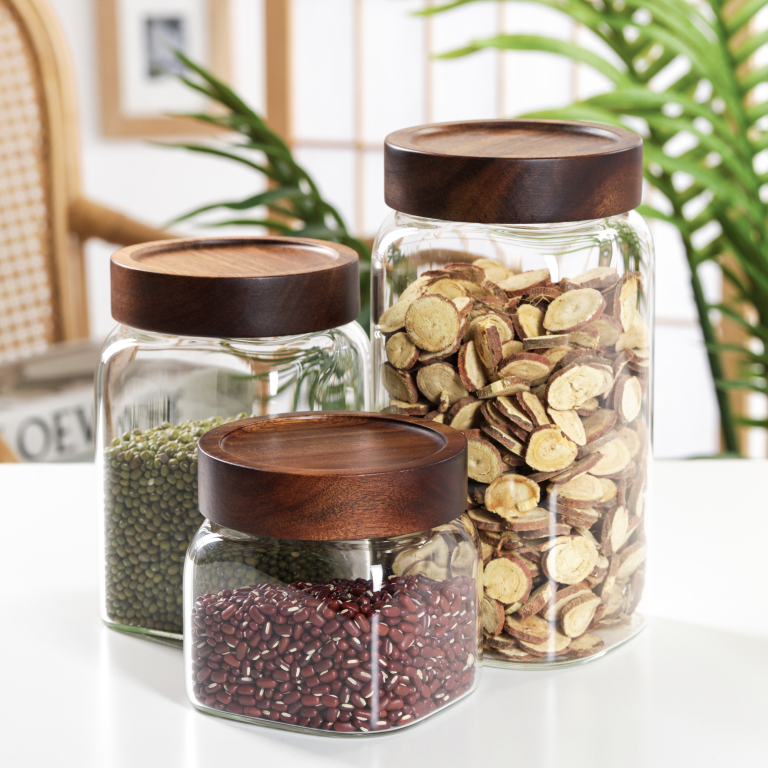
Airtight jars are vital across diverse sectors. In food and beverage, they preserve freshness for products like spices or dried goods. In pharmaceuticals, they protect sensitive compounds from moisture and air. In chemicals, they prevent leaks and reactions. Hemera collaborates with global partners, including major distributors in Europe and North America, to ensure our products meet industry-specific needs. These partnerships, such as with logistics firm SecureLogix, enhance our reach and credibility, allowing us to serve clients from small labs to large manufacturers.
FAQ: Answering Technical Queries
1. How do I verify the seal integrity of an airtight jar? Use pressure decay testing or helium leak detection for precise measurements; visual checks alone are insufficient for critical applications.
2. What materials are best for high-temperature environments? Silicone-based seals or specialized thermoplastics can withstand temperatures up to 200°C, depending on the formulation.
3. Can these jars be customized for specific chemical resistances? Yes, we offer material modifications to resist acids, solvents, or other aggressive substances, based on client specifications.
4. How long do the seals typically last before replacement? With proper use, our seals can last 3-5 years, but we recommend periodic inspections based on application intensity.
5. Are there standards or certifications for airtight jars? Yes, look for ISO 9001 for quality management and industry-specific certifications like FDA compliance for food contact.
Conclusion: Seal Your Success with Hemera
In a world where airtight sealing can make or break product quality, investing in reliable technology is essential. Hemera (Tianjin) Technology Development Limited combines expertise with innovation to deliver jars that truly seal perfection. From reducing waste to enhancing safety, our solutions are proven across industries. Ready to elevate your operations? Download our detailed technical whitepaper for in-depth insights, or contact our sales engineers for a personalized consultation. Let's ensure your jars are as airtight as they need to be.
