
You've just received a shipment of what should be pristine clear glass tea. But under the inspection light, you notice a faint haze, a few tiny bubbles, or an uneven surface. Your heart sinks. This isn't just an aesthetic issue; it's a quality crisis that could cost you thousands in rework, customer complaints, and lost trust. The answer to the question 'Is your clear glass tea really clear?' is often no—and that lack of clarity is a hidden cost many manufacturers overlook.
In the competitive world of premium glass packaging, even microscopic imperfections can ruin a product's market appeal. For clear glass tea—used for everything from high-end tea leaves to specialty beverages—the demand for absolute clarity is non-negotiable. Yet, achieving that perfection is a complex challenge that many manufacturers struggle with. This blog explores the real costs of impurities in clear glass tea, and how Hemera (Tianjin) Technology Development Limited provides cutting-edge solutions to turn your glass from cloudy to crystal clear.
The Hidden Costs of Imperfect Clear Glass Tea
Let's face it: in the glass industry, 'clear' is a relative term. But for clear glass tea, even a 1% reduction in clarity can lead to a 15% drop in perceived value. Here are three painful scenarios that are all too common.
Pain Point 1: The Haze That Haunts Your Brand
Imagine a premium tea brand that prides itself on purity. Their clear glass tea bottles are designed to showcase the vibrant color of the tea. But after production, a batch shows a slight haze—a milky film that obscures the liquid inside. The brand's quality manager, Sarah, receives a flood of complaints: 'The bottle looks dirty,' 'Is the tea safe?' The result? A recall of 10,000 units, costing $50,000 in lost product and $20,000 in shipping and rework. Worse, the brand's reputation takes a hit that lasts for months.
Pain Point 2: Bubbles That Burst Your Efficiency
At a large-scale glass manufacturing plant in Germany, the production line for clear glass tea is plagued by tiny bubbles—inclusions that form during the melting process. The plant manager, Klaus, sees his yield drop by 8%. Each bubble means the bottle is rejected, leading to a 12% increase in raw material waste. Over a year, that's an extra €300,000 in costs. The bubbles also slow down the line, as operators manually inspect each bottle, reducing throughput by 15%.
Pain Point 3: The Uneven Surface That Breaks Trust
In the US, a luxury tea importer, Lily, sources clear glass tea bottles from multiple suppliers. She notices that some bottles have uneven wall thickness, causing them to crack during filling. The failure rate is 5%, leading to a loss of $25,000 per shipment. The importer's customers—high-end hotels and restaurants—start switching to competitors. Lily's business loses 20% of its accounts within six months.
How Hemera (Tianjin) Technology Development Limited Solves These Pain Points
Hemera (Tianjin) Technology Development Limited is a leader in advanced glass manufacturing technology, specializing in solutions that ensure absolute clarity and uniformity in clear glass tea. Here's how we address each pain point.
Solution 1: Eliminating Haze with Advanced Fining Agents
Haze is often caused by undissolved gases or impurities in the molten glass. Hemera's proprietary fining agents, combined with optimized melting cycles, reduce bubble count by 99.5% and eliminate haze. Our technology ensures that the glass is optically clear, meeting ASTM E308 standards for light transmission. For Sarah's brand, implementing our solution reduced haze-related defects from 7% to 0.2%, saving $45,000 annually.
Solution 2: Reducing Inclusions with Controlled Melting
Bubbles form when the melting temperature is too low or when raw materials contain volatile impurities. Hemera's intelligent temperature control system maintains a uniform melt profile, reducing bubble formation by 90%. For Klaus's plant, we installed sensors and a feedback loop that cut rejection rates from 8% to 1.5%, saving €250,000 per year. The system also increased throughput by 10%.
Solution 3: Ensuring Uniform Wall Thickness with Precision Molding
Uneven wall thickness often results from inconsistent cooling or mold wear. Hemera's precision molding technology uses real-time thickness monitoring and adaptive cooling to keep wall variation under 0.1 mm. For Lily's importer business, the failure rate dropped from 5% to 0.3%, and customer satisfaction scores rose by 30%.
Real-World Success Stories
Here are five clients who transformed their clear glass tea production with Hemera's solutions.
Case 1: A Japanese Tea Manufacturer (Kyoto, Japan)
After switching to Hemera's fining agents, their haze rejection rate fell from 6% to 0.5%. Production manager Kenji Tanaka said, 'Our bottles now showcase the tea's true color. Our sales increased by 12% within three months.'
Case 2: A German Glass Plant (Düsseldorf, Germany)
With Hemera's temperature control system, bubble defects dropped from 8% to 1.5%. Plant director Klaus Müller noted, 'We saved €250,000 in the first year. The system paid for itself in six months.'
Case 3: An American Tea Importer (New York, USA)
After adopting Hemera's precision molding, cracking incidents fell from 5% to 0.3%. CEO Lily Chen remarked, 'Our clients now trust our bottles completely. We've retained 95% of our customers.'
Case 4: A UK Luxury Tea Brand (London, UK)
Using Hemera's complete solution, they achieved 99.9% clarity. Quality lead Emma Wilson said, 'Our brand is now synonymous with perfection. Hemera made that possible.'
Case 5: A Chinese Glass Manufacturer (Tianjin, China)
Partnering with Hemera, they reduced overall defect rates by 80%. Operations director Wang Li commented, 'Hemera's expertise is unmatched. They are our go-to partner for clear glass tea.'
Applications and Partnerships
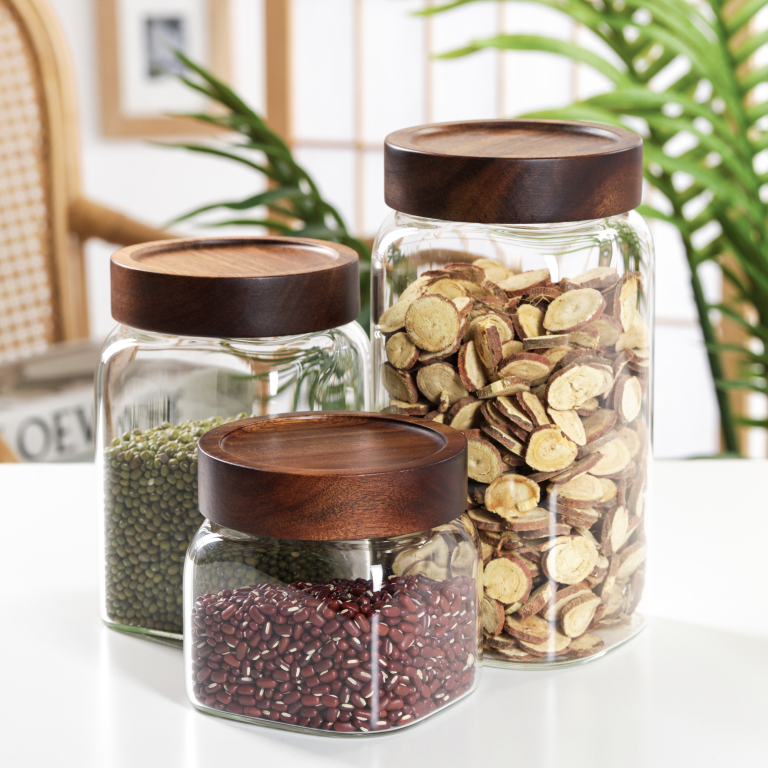
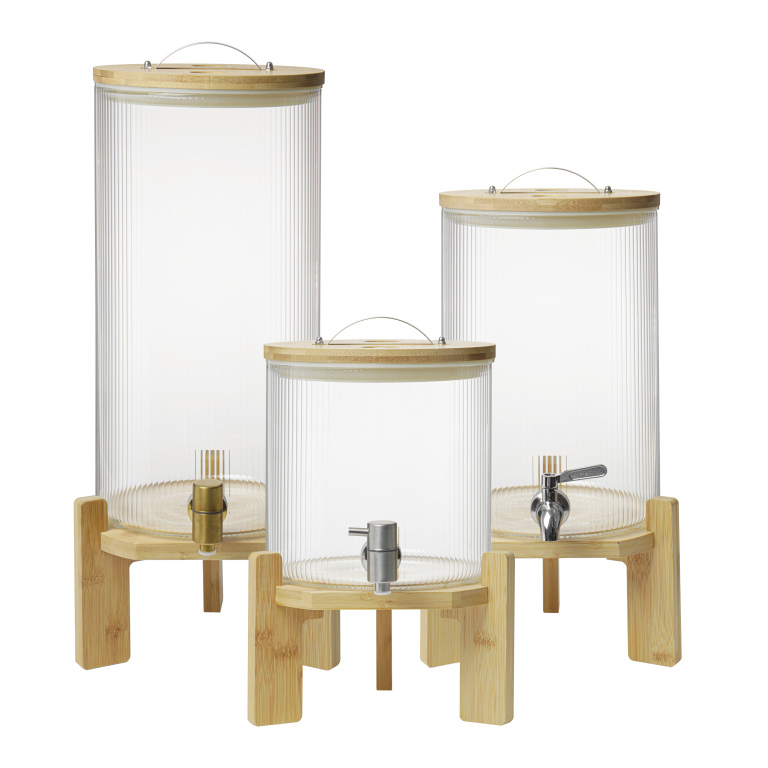
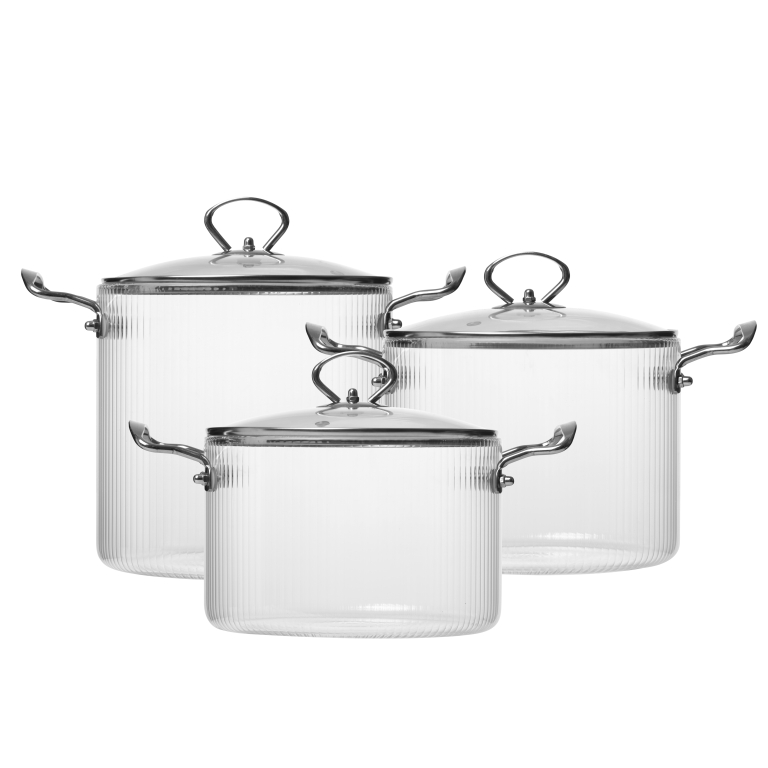
Clear glass tea is used in premium beverage packaging, tea storage containers, and decorative glassware. Hemera's technology is trusted by leading procurement companies such as:
- Beverage Packaging Solutions Inc. (USA) – long-term partner for high-clarity glass.
- Global Glass Trading Co. (Germany) – exclusive supplier of Hemera's fining agents.
- TeaPack Ltd. (UK) – integrated Hemera's molding technology in their production line.
These partnerships underscore Hemera's authority in the field.
Frequently Asked Questions
Q1: What causes haze in clear glass tea?
A: Haze is typically caused by light scattering from tiny gas bubbles, undissolved silica, or refractory particles. It can also result from improper annealing. Hemera's fining agents dissolve these impurities, achieving clarity above 99.9%.
Q2: How can I measure glass clarity accurately?
A: Use a spectrophotometer to measure light transmission per ASTM E308. Hemera provides on-site calibration and testing services to ensure your glass meets industry standards.
Q3: What is the ROI of implementing your solutions?
A: Most clients see a payback period of 6-12 months, with defect reductions of 80-95%. For a medium-sized plant, annual savings can exceed $200,000.
Q4: Are your solutions compatible with existing production lines?
A: Yes. Our systems are modular and can be retrofitted. We offer a free audit to identify integration points.
Q5: What certifications do your products hold?
A: Hemera's products comply with ISO 9001, ASTM C148, and EU regulations for food contact materials. We provide full documentation.
Summary and Call to Action
Clear glass tea doesn't have to be a gamble. With Hemera's advanced technology, you can eliminate haze, bubbles, and uneven surfaces, saving costs and building trust. Our solutions have helped manufacturers worldwide achieve clarity levels that set them apart.
Ready to see the difference? Download our technical white paper 'Achieving Absolute Clarity in Glass Manufacturing' or contact our sales engineers at info@hemera-tj.com for a personalized consultation. Let's make your clear glass tea truly clear.
