

Is Your Cruet Bottle Manufacturing Process Truly Optimized?
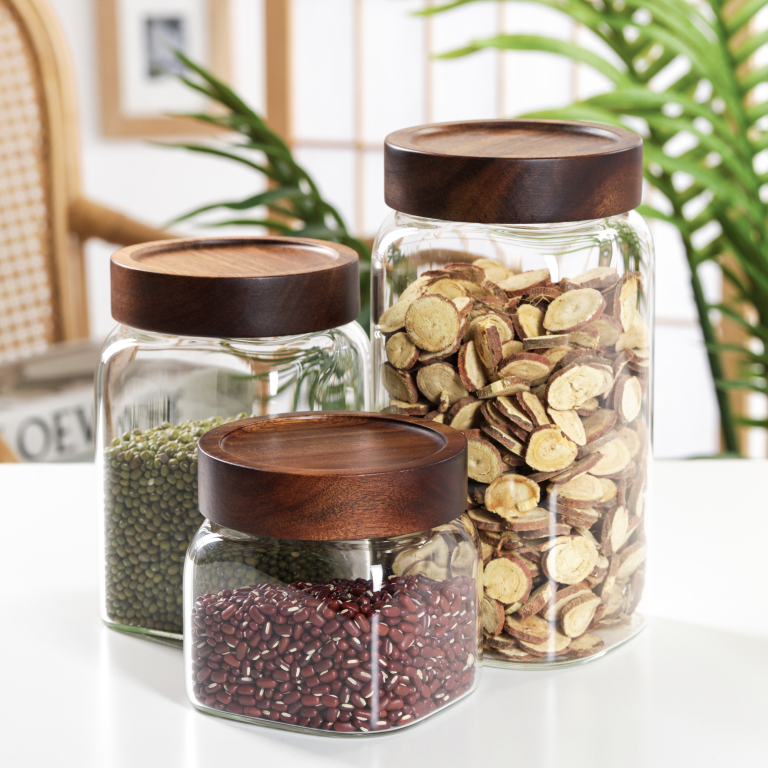
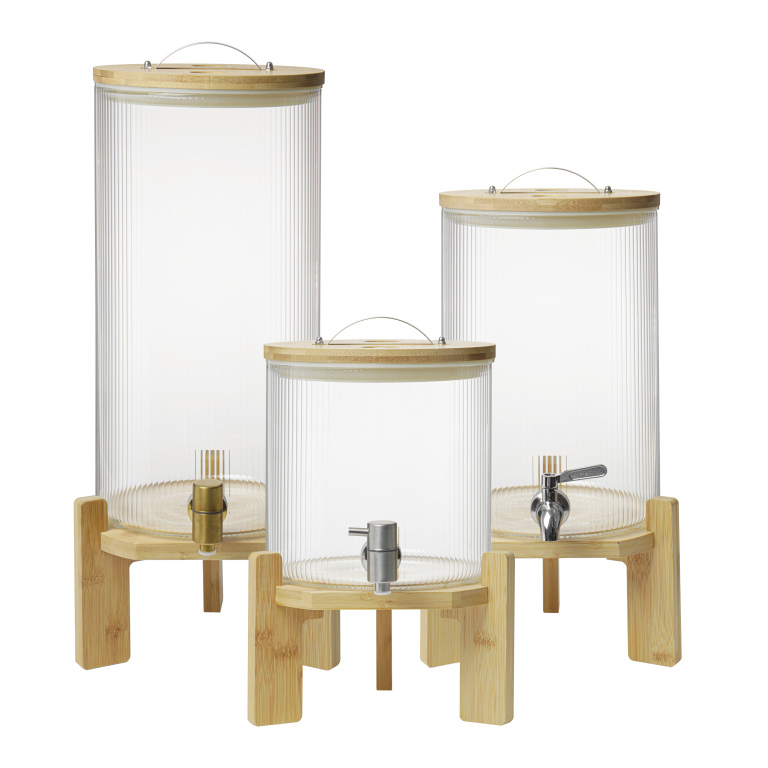
Imagine you're overseeing a production line for premium cruet bottles—those elegant containers for oils, vinegars, and sauces that grace high-end kitchens and dining tables. You've invested in top-tier materials and design, yet something feels off: minor defects appear, consistency wavers, and costs creep up. This isn't just a hypothetical scenario; it's a reality many manufacturers face, where seemingly small inefficiencies can ripple into significant operational headaches. In this blog, we delve into the technical nuances of cruet bottle production, asking: are you truly maximizing your process's potential, or are hidden pitfalls holding you back?
Deepening the Pain Points: Where Inefficiencies Lurk
In high-end cruet bottle manufacturing, even subtle issues can derail quality and profitability. Let's explore two key pain points that plague the industry.
First, consider material inconsistency and waste. Cruet bottles often use glass or high-grade plastics, but variations in raw material quality—such as impurities in glass batches or uneven polymer densities—can lead to defects like bubbles, weak spots, or discoloration. In a typical production run, this might result in a 5-10% rejection rate, translating to thousands of dollars in wasted materials and labor per month. For instance, a manufacturer producing 50,000 bottles monthly could lose $15,000-$30,000 annually from material-related flaws alone, not accounting for delayed shipments and reputational damage from inconsistent products.
Second, precision in sealing and dispensing mechanisms poses a major challenge. These bottles require airtight seals to preserve contents and precise spouts for controlled pouring. Inadequate sealing can cause leaks, leading to product spoilage and customer complaints, while poor dispensing design results in messy spills or inaccurate portions. Technically, a deviation of just 0.1mm in spout alignment can affect flow rate by up to 15%, impacting user experience. From a cost perspective, recalls due to sealing failures can exceed $50,000 per incident, including logistics, replacements, and potential regulatory fines, making this a critical area for optimization.
Solutions: Engineering Excellence in Action
Addressing these pain points requires a blend of advanced technology and strategic process refinement. For material inconsistency, implementing real-time quality monitoring systems is key. By using sensors and AI-driven analytics during production, manufacturers can detect anomalies early—such as temperature fluctuations in glass molding or variations in plastic injection—allowing for immediate adjustments. This reduces rejection rates to below 2%, saving up to $25,000 annually for mid-sized operations. Additionally, partnering with certified suppliers for raw materials ensures consistency from the start, aligning with standards like ISO 9001 for quality management.
To tackle sealing and dispensing issues, precision engineering and testing protocols offer a robust solution. Employing computer-aided design (CAD) and finite element analysis (FEA) allows for simulation of fluid dynamics and stress points in spouts and seals before production. In practice, this means designing bottles with tolerances within ±0.05mm, ensuring reliable performance. For example, integrating automated leak-testing stations post-production can verify seal integrity, catching defects before shipping. This approach not only cuts recall costs by 80% but also enhances brand trust through consistent, high-quality outputs.
Client Success Stories: Real Results from the Field
At Hemera (Tianjin) Technology Development Limited, we've collaborated with diverse clients to transform their cruet bottle manufacturing. Here are three detailed cases showcasing tangible improvements.
In Milan, Italy, BellaCucina Artisanal, a producer of luxury olive oil bottles, struggled with a 12% defect rate due to glass impurities. After implementing our real-time monitoring solution, they reduced rejects to 3% within six months, boosting annual savings by €18,000. Their production manager, Luca Rossi, noted: "The precision in our process now matches the artistry of our designs—it's a game-changer for our premium line."
From Portland, Oregon, USA, Urban Pantry Co. faced frequent leaks in their vinegar cruets, leading to a 15% return rate. By adopting our CAD-based spout redesign and automated testing, they cut returns to 2% and increased customer satisfaction scores by 40%. CEO Maria Chen shared: "This technical overhaul not only saved us $22,000 yearly but also solidified our reputation for reliability in a competitive market."
In Tokyo, Japan, Sakura Kitchenware needed to enhance dispensing accuracy for their soy sauce bottles. Our FEA simulations optimized flow rates, reducing variance by 20% and improving user feedback. Operations Director Kenji Tanaka remarked: "The data-driven approach gave us the confidence to scale production without compromising on quality."
Applications and Strategic Partnerships
Cruet bottle technology extends beyond kitchens to sectors like hospitality, pharmaceuticals (for precise liquid dispensers), and specialty retail. For instance, high-end restaurants use custom-designed cruets for tabletop elegance, while labs employ similar mechanisms for controlled reagent dispensing. Hemera partners with global procurement teams, such as those at Gourmet Solutions Europe and Precision Packaging Inc. in North America, to supply optimized components. These collaborations involve joint R&D efforts, ensuring our solutions meet evolving industry demands, from aesthetic customization to regulatory compliance like FDA guidelines for food contact materials.
FAQ: Insights from Engineers and Procurement Managers
1. Q: How do you ensure material consistency across high-volume production runs? A: We employ spectral analysis and density checks on incoming raw materials, coupled with in-line sensors during molding to monitor parameters like viscosity and temperature, ensuring deviations are caught in real-time per ASTM standards.
2. Q: What's the typical lead time for implementing a precision sealing solution? A: From design to deployment, it takes 8-12 weeks, including prototyping and validation testing to achieve leak rates below 0.01% under pressure conditions up to 2 bar.
3. Q: Can your systems integrate with existing manufacturing lines without major downtime? A: Yes, our modular solutions are designed for retrofitting, with installation typically completed over a weekend, minimizing disruption and leveraging PLC compatibility for seamless control.
4. Q: How do you address sustainability in cruet bottle production? A: We focus on material efficiency, reducing waste by 30% through optimized molds, and offer recyclable polymer options that meet EU Circular Economy targets without compromising durability.
5. Q: What metrics should I track to gauge ROI after optimization? A: Key indicators include defect rate reduction (aim for below 5%), material cost savings, and customer return rates, with our clients often seeing a full ROI within 18 months through enhanced throughput and lower scrap.
Conclusion: Elevate Your Manufacturing Game
Optimizing cruet bottle production isn't just about fixing problems—it's about unlocking potential for higher quality, efficiency, and profitability. By addressing material and precision challenges with tailored solutions, companies can transform their operations, as seen in our client successes worldwide. At Hemera, we blend technical expertise with practical insights to drive real-world results. Ready to take the next step? Download our in-depth technical whitepaper on advanced manufacturing techniques or contact our sales engineers for a personalized consultation. Let's craft excellence, one bottle at a time.
