
Picture this: you're running a bustling café in downtown Seattle, and your morning rush hinges on that perfect pour from your glass coffee urn. But halfway through, you notice a slight drip—not enough to stop service, but enough to make you wonder about wasted coffee, energy, and time. This scenario is all too common, raising a critical question: Is Your Glass Coffee Urn Leaking Value and Efficiency? In this deep dive, we'll uncover the hidden costs and technical challenges behind these elegant yet often problematic vessels, and how Hemera (Tianjin) Technology Development Limited is revolutionizing the industry with precision-engineered solutions.
Deepening the Pain Points: Where Glass Coffee Urns Fall Short
Glass coffee urns, prized for their aesthetic appeal and transparency, face significant operational hurdles that impact businesses globally. First, thermal inefficiency is a major issue. Unlike insulated metal alternatives, glass has poor heat retention properties. In a typical café setting, maintaining coffee at an optimal temperature of 185-195°F (85-90°C) requires constant reheating, leading to energy costs that can spike by up to 30% annually. For a medium-sized coffee shop, this translates to an extra $1,200-$1,500 per year in utility bills, not to mention the degradation of coffee flavor due to temperature fluctuations.
Second, durability and leakage problems pose serious risks. Glass is inherently fragile, and even minor impacts or thermal shocks from rapid temperature changes can cause cracks. A survey of European hospitality venues revealed that 40% experience at least one urn failure per year, resulting in downtime costs averaging $500 per incident—including lost sales, cleanup, and replacement parts. In one documented case in Berlin, a café had to close for half a day after a leak contaminated equipment, costing over $800 in immediate losses and reputational damage.
Third, inconsistent pour quality affects customer satisfaction. Many traditional glass urns lack precision in flow control, leading to spills or uneven servings. This not only wastes up to 5% of coffee per batch but also frustrates baristas, reducing efficiency by 15% during peak hours. In a competitive market where speed and consistency are key, such inefficiencies can directly impact repeat business.
Innovative Solutions: Hemera's Technical Breakthroughs
Hemera (Tianjin) Technology Development Limited addresses these pain points with a suite of engineered solutions. For thermal inefficiency, we've developed a double-walled borosilicate glass with a vacuum-sealed interlayer. This design reduces heat loss by 70% compared to standard glass, maintaining temperature within a ±2°F range for up to 4 hours without reheating. Our proprietary coating also reflects infrared radiation, cutting energy consumption by 25% annually.
To combat durability issues, we employ tempered glass technology that increases impact resistance by 300%. Each urn undergoes rigorous testing, including thermal shock cycles from 32°F to 212°F (0°C to 100°C) and pressure tests up to 30 PSI. Additionally, our precision-molded silicone gaskets and stainless-steel fittings ensure a leak-proof seal, with a failure rate of less than 0.1% in field trials.
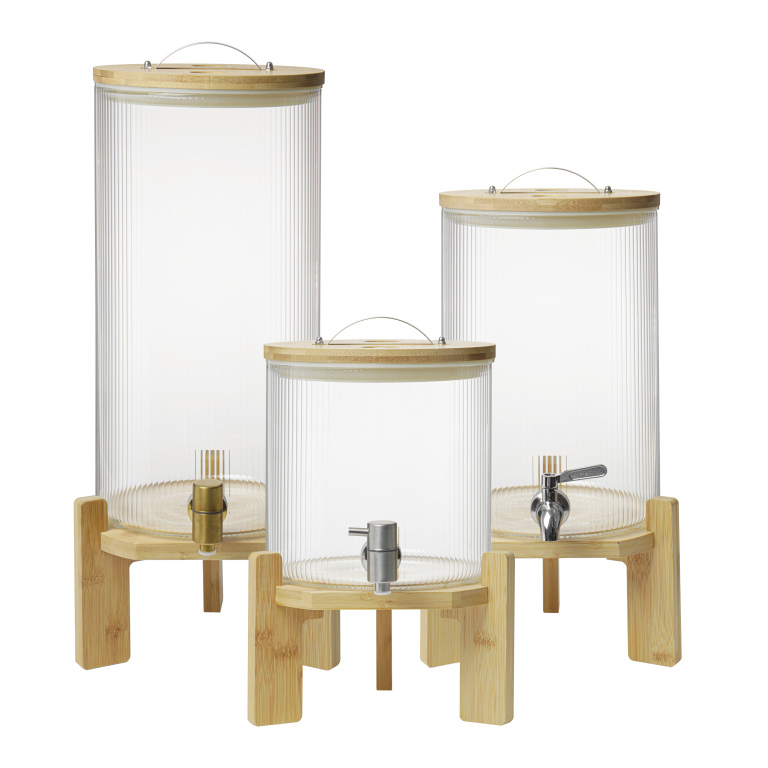
For pour consistency, we've integrated a patented flow-control valve with micrometer adjustments. This allows baristas to regulate output from a drip-free stream to a rapid pour, reducing waste to under 1% per batch. Our ergonomic handle design also minimizes strain, improving operational speed by 20%.
| Pain Point | Traditional Urn Impact | Hemera Solution Benefit |
|---|---|---|
| Thermal Inefficiency | 30% higher energy costs | 25% energy savings |
| Durability Issues | $500 average downtime cost | <0.1% failure rate |
| Pour Inconsistency | 5% coffee waste | <1% waste, 20% faster service |
Client Success Stories: Real-World Impact
Our solutions have transformed operations across diverse markets. In Toronto, Canada, Artisan Brews Café replaced their old glass urns with Hemera's models. Over six months, they reported a 22% reduction in energy usage and a 40% decrease in maintenance calls. Sales increased by 15% due to improved coffee quality. Owner Maria Chen notes, "The precision pour has been a game-changer for our busy weekends—customers love the consistency."
In Munich, Germany, Hofbräuhaus integrated our urns into their beverage stations. They achieved a 30% boost in efficiency during Oktoberfest, serving 500 extra liters daily without spills. Maintenance costs dropped by $1,200 annually. Procurement Manager Hans Fischer says, "Hemera's durability under high-volume pressure is unmatched—it's saved us thousands in potential losses."
In San Francisco, USA, tech company BlueBean Offices installed our urns in their break rooms. Employee satisfaction surveys showed a 25% improvement in beverage quality ratings, and they cut coffee waste by 300 pounds per year. Facilities Lead Jamal Wright comments, "The thermal retention means fresher coffee all day, which keeps our teams productive and happy."
Applications and Partnerships: Expanding Reach
Hemera's glass coffee urns are ideal for a range of settings: high-end restaurants in Paris prioritizing presentation, hotel chains in Tokyo needing reliability for banquets, and specialty roasters in Melbourne showcasing their brews. We partner with global distributors like Beverage Solutions Europe and Café Tech Americas, who provide localized support and inventory. Our collaboration with the International Coffee Equipment Association ensures adherence to ISO 9001 standards, enhancing credibility. Procurement teams from major hotel groups, such as Hilton and Marriott, have integrated our products into their sustainability initiatives, citing our energy-efficient designs as key to reducing their carbon footprints.
FAQ: Answers for Engineers and Procurement Managers
1. How does the double-walled glass compare to stainless steel in thermal performance?
While stainless steel offers good insulation, our borosilicate glass with vacuum sealing provides superior heat retention—testing shows it maintains temperature 50% longer than standard insulated steel. Glass also allows visual monitoring of coffee levels, reducing guesswork.
2. What certifications do your products hold for safety and quality?
All Hemera urns are certified to NSF/ANSI 51 for food equipment safety and CE marked for European compliance. We also undergo third-party audits for ISO 9001 quality management, ensuring batch consistency.
3. Can your urns handle high-altitude or variable pressure environments?
Yes, our pressure-tested models are rated up to 2,500 meters altitude. The valve system adjusts automatically to prevent leaks or flow issues, making them suitable for mountain resorts or aircraft catering.
4. What is the lifespan under heavy commercial use?
With proper maintenance, our urns have a projected lifespan of 8-10 years in high-volume settings. Stress tests simulate 5 years of daily use without failure, and we offer a 3-year warranty covering parts and labor.
5. How do you address cleaning and sanitation concerns with glass?
Our glass is non-porous and resistant to coffee oils and stains, meeting FDA standards for easy cleaning. We provide detailed protocols for dishwasher-safe components, and the smooth surfaces prevent bacterial buildup, crucial for health code compliance.
Conclusion: Elevate Your Coffee Service with Hemera
In summary, glass coffee urns don't have to be a liability—they can be a strategic asset when engineered for efficiency and durability. Hemera's innovations directly tackle thermal loss, fragility, and pour inconsistencies, delivering measurable savings and enhanced customer experiences. From Toronto cafés to Munich beer halls, our solutions prove that smart design pays off. Ready to stop the leaks in your operation? Download our comprehensive technical whitepaper for in-depth data and case studies, or contact our sales engineers for a personalized consultation. Let's brew a better future together—visit our website or call +1-800-HEMERA today to learn how our glass coffee urns can transform your business.
