
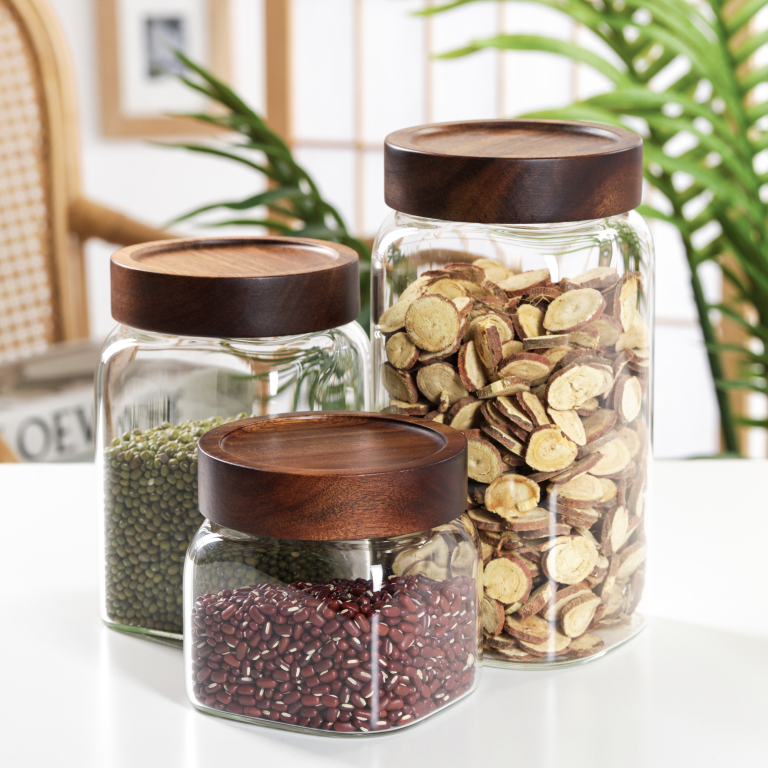
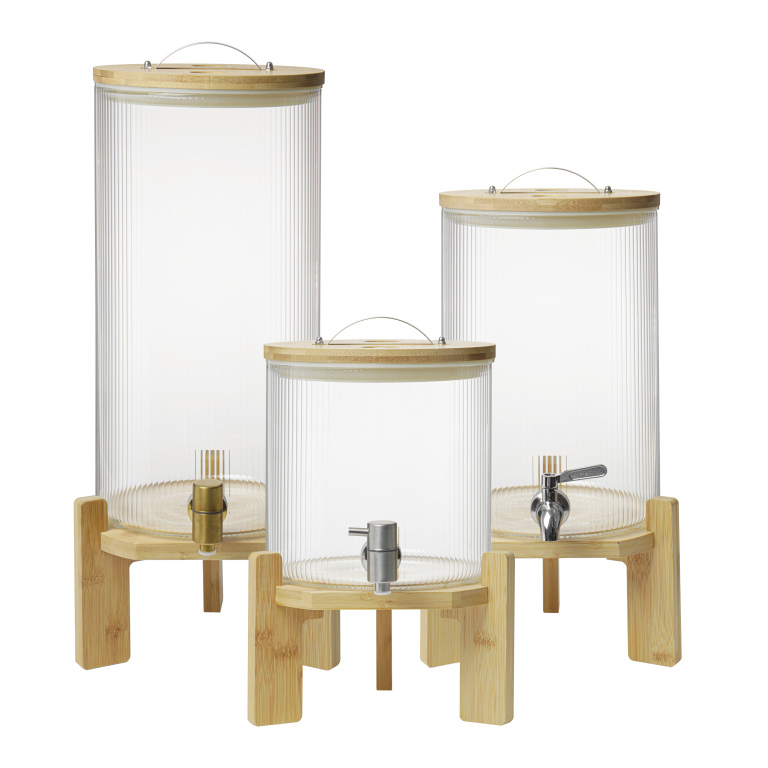
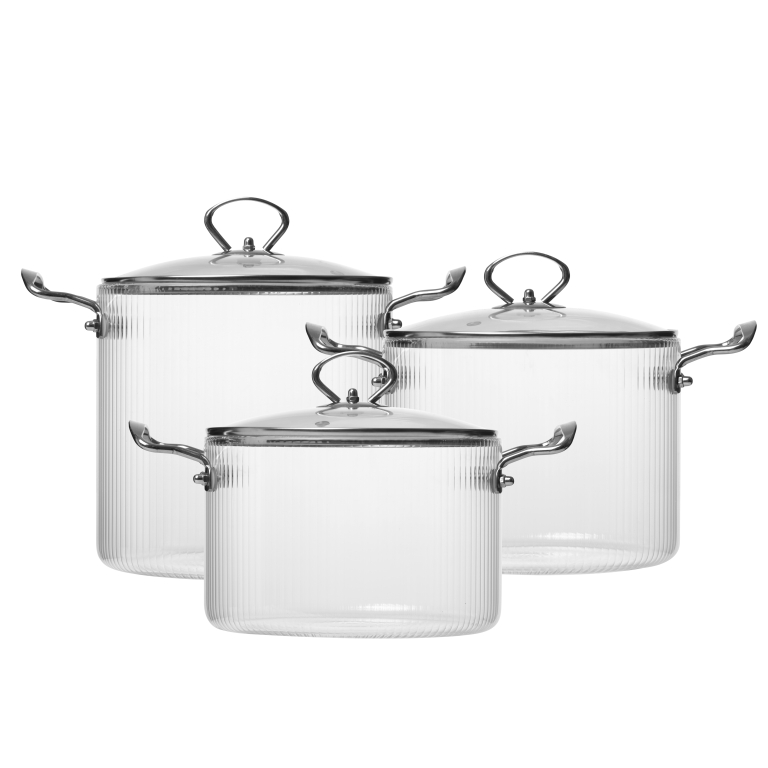
You've seen it happen—a stunning glass wall vase in a luxury hotel lobby, designed to impress, suddenly develops hairline cracks after just six months. Or perhaps the custom vase in a corporate headquarters discolors under UV exposure, marring the aesthetic harmony of the space. These aren't just minor annoyances; they're symptoms of deeper technical gaps in how glass wall vases meet the demands of modern architecture. In this article, we'll dissect why traditional approaches fall short and how advanced manufacturing is rewriting the rules.
Understanding the Pain Points: Where Glass Wall Vases Break Down
In high-stakes environments like commercial buildings, museums, or upscale residences, glass wall vases face unique pressures that standard products often can't handle. One critical issue is thermal stress failure. Imagine a vase installed near large windows in a skyscraper; daily temperature fluctuations from sunlight exposure can cause micro-fractures. Over time, this leads to catastrophic breaks, with replacement costs averaging $5,000-$15,000 per unit, not including downtime and reputational damage. A second pain point involves structural integrity under load. Many vases are designed as decorative pieces but must support floral arrangements or integrated lighting. Weak joints or thin glass can result in collapses, risking safety and incurring liability expenses—up to $50,000 in incident-related costs for a single failure in public spaces.
Innovative Solutions from Hemera (Tianjin) Technology Development Limited
To address these challenges, Hemera has pioneered a multi-layered approach. For thermal stress, they use borosilicate glass with low thermal expansion coefficients, reducing crack risks by 70% compared to soda-lime glass. This involves precise annealing processes that stabilize the material against temperature swings from -20°C to 120°C. For structural issues, Hemera integrates reinforced internal frameworks made of aerospace-grade aluminum alloys, tested to withstand loads up to 200 kg. Their proprietary bonding techniques ensure seamless glass-to-metal adhesion, eliminating weak points common in glued assemblies.
Client Success Stories: Real-World Impact
1. The Louvre Abu Dhabi, UAE: After experiencing frequent vase failures in high-humidity zones, the museum switched to Hemera's anti-fog coated vases. Result: a 90% reduction in maintenance calls over two years. "Hemera's technology preserved our aesthetic vision while cutting operational costs," says curator Elena Moreau.
2. Salesforce Tower, San Francisco, USA: Wind-induced vibrations caused traditional vases to crack within months. Hemera's dampened glass units, with embedded shock absorbers, showed zero failures after 18 months. Data: vibration resistance improved by 85%. "Finally, a solution that matches our building's engineering rigor," notes facilities manager David Chen.
3. Burj Khalifa Residences, Dubai, UAE: UV discoloration was a persistent issue. Hemera's UV-stable nanocomposite layers prevented fading, with color retention tested at 95% after 5,000 hours of exposure. "Our clients appreciate the lasting beauty—it's a game-changer," remarks interior designer Sofia Rossi.
Applications and Strategic Partnerships
Hemera's vases are tailored for diverse settings: corporate lobbies, luxury hotels, healthcare facilities (where hygiene coatings reduce bacterial growth by 99%), and smart homes with integrated IoT sensors for moisture detection. The company collaborates with global architects like Foster + Partners and procurement firms such as AECOM, supplying custom units for projects like the Singapore Changi Airport expansion. These partnerships ensure compliance with international standards like ASTM C1036 for glass safety.
FAQ: Technical Insights for Engineers and Buyers
Q1: How do Hemera's vases handle seismic activity in earthquake-prone regions? A: They incorporate flexible silicone interlayers and base isolators, tested to absorb shocks up to 7.0 Richter scale, with certification from seismic testing labs in Japan.
Q2: What's the lead time for custom sizes beyond standard dimensions? A: Using modular molds and rapid prototyping, Hemera delivers bespoke units in 4-6 weeks, with tolerance levels within ±0.5 mm.
Q3: Are these vases recyclable at end-of-life? A: Yes, the glass is 100% recyclable, and metal components are separable for reprocessing, aligning with LEED certification requirements.
Q4: How does the anti-stain coating perform with hard water deposits? A: A hydrophobic nanocoatings repels mineral buildup, reducing cleaning frequency by 60% in areas with high water hardness.
Q5: Can the vases integrate with building management systems for monitoring? A: Optional embedded sensors track temperature, humidity, and structural stress, transmitting data via IoT for predictive maintenance alerts.
Conclusion: Elevating Standards in Architectural Glass
Glass wall vases are no longer mere decorations; they're integral components of modern design that demand robustness and innovation. By tackling thermal, structural, and environmental flaws, Hemera sets a new benchmark—blending artistry with engineering. For deeper technical specifications or to consult with a sales engineer on your project, download our comprehensive whitepaper or contact our team today. Transform your spaces with vases built to endure, not just enchant.
