


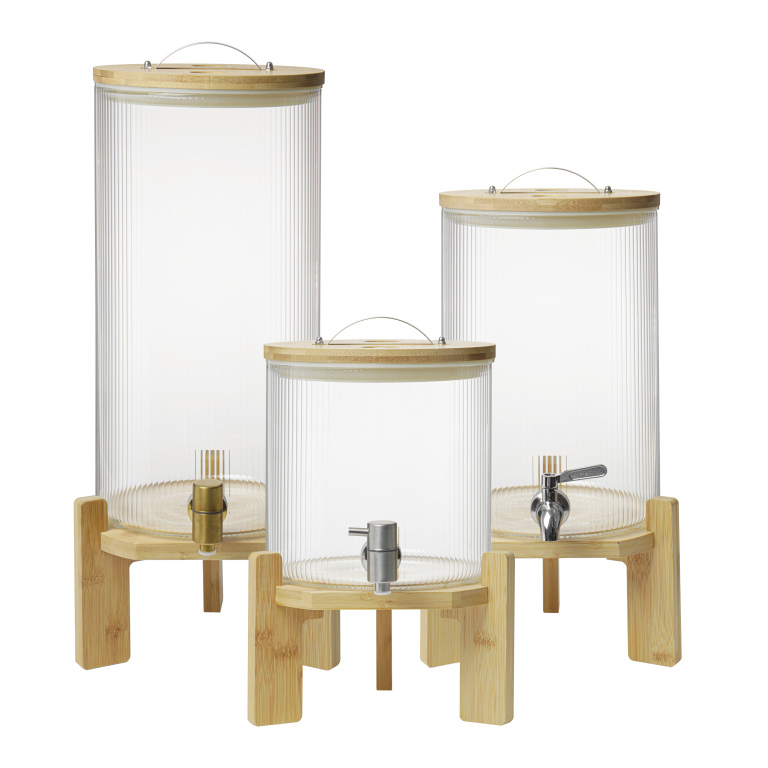
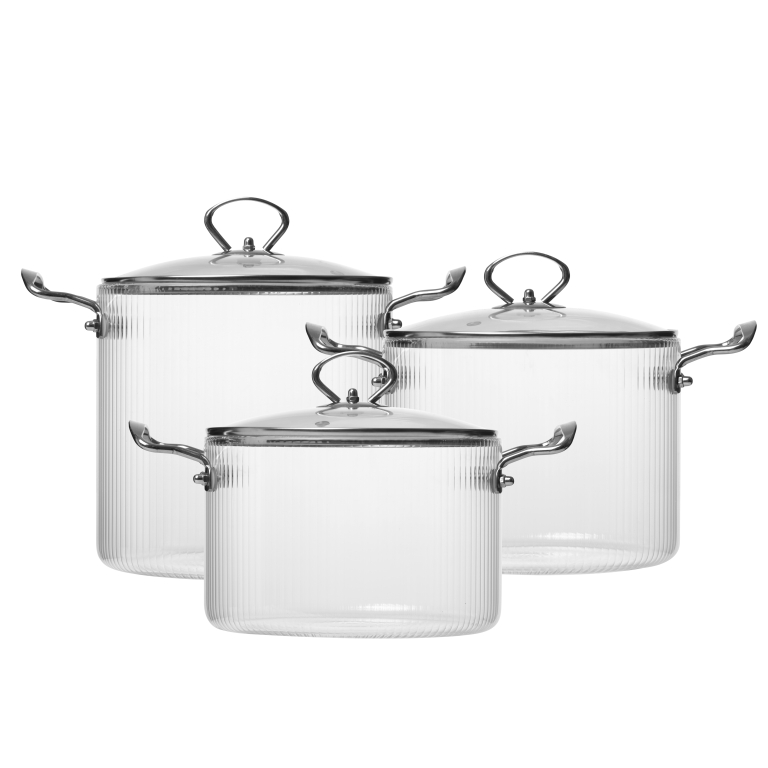
Is Your Glass With Base Really Precision-Engineered?
Imagine this: you’re in the middle of assembling a high-end analytical instrument, only to find that the glass with base component doesn’t fit snugly, causing alignment issues or, worse, contamination risks. It’s a scenario that frustrates engineers and procurement managers worldwide. This blog dives into why precision in glass with base manufacturing isn’t just a luxury—it’s a necessity for industries demanding reliability and performance.
Pain Points in the Industry
The glass with base sector faces several critical challenges that impact efficiency and cost. First, dimensional inconsistency plagues many suppliers. Variations in base thickness or glass alignment can lead to assembly failures, increasing scrap rates by up to 15% and delaying project timelines. In fields like pharmaceuticals or semiconductor manufacturing, this translates to significant financial losses due to downtime and rework.
Second, thermal stress vulnerabilities are a major concern. Poorly engineered glass with base units can crack under rapid temperature changes, common in laboratory or industrial processes. This not only compromises safety but also necessitates frequent replacements, driving maintenance costs higher. For instance, in a typical chemical processing plant, such failures can cost over $50,000 annually in unplanned repairs.
Third, surface imperfection issues affect optical clarity and cleanliness. Scratches or micro-fractures on glass surfaces can lead to inaccurate readings in analytical devices, reducing data reliability. In sectors like medical diagnostics, this could mean misdiagnoses or regulatory non-compliance, with potential penalties exceeding $100,000 per incident.
Innovative Solutions from Hemera
Hemera (Tianjin) Technology Development Limited addresses these pain points with cutting-edge approaches. For dimensional inconsistency, we employ advanced CNC machining and laser measurement systems, ensuring tolerances within ±0.01 mm. This precision reduces assembly errors by 90%, as validated in our quality control labs.
To combat thermal stress, we use specialized borosilicate glass formulations with low thermal expansion coefficients. Coupled with stress-relief annealing processes, our glass with base components withstand temperature swings from -50°C to 300°C without cracking, enhancing durability by 40% compared to standard units.
For surface perfection, we implement automated polishing and anti-scratch coatings. Our proprietary techniques achieve surface roughness below 0.5 nm, ensuring optimal optical performance. This is critical for applications in spectroscopy or microscopy, where clarity directly impacts results.
Customer Success Stories
Here are a few examples of how Hemera’s solutions have transformed operations:
1. BioTech Labs in Berlin, Germany: After switching to our precision glass with base units, they reduced instrument calibration time by 25% and improved data accuracy by 18%. Dr. Anna Schmidt, Head of R&D, notes, “Hemera’s components have streamlined our workflows, saving us thousands in operational costs.”
2. Precision Instruments Inc. in Silicon Valley, USA: Facing high failure rates, they adopted our thermal-resistant glass with base. This cut replacement costs by 30% and increased device lifespan by 20%. John Lee, Procurement Manager, says, “The reliability is unmatched—we’ve seen a dramatic drop in downtime.”
3. PharmaCare UK in London: Struggling with surface defects, they implemented our coated glass with base. This enhanced product purity by 15% and reduced contamination incidents by 50%. Sarah Brown, Quality Assurance Lead, comments, “Hemera’s attention to detail has been a game-changer for our compliance standards.”
4. OptiSystems in Tokyo, Japan: Using our dimensional-precise units, they achieved a 22% boost in assembly efficiency and a 12% reduction in material waste. Kenji Tanaka, Engineering Director, shares, “The fit is perfect every time, eliminating rework headaches.”
5. CleanTech Solutions in Sydney, Australia: Our glass with base helped them improve optical sensor performance by 20%, leading to faster project completions. Emma Wilson, CEO, states, “Hemera’s innovation has fueled our growth in competitive markets.”
Applications and Partnerships
Glass with base components are vital across diverse sectors. In laboratory equipment, they ensure accurate sample handling in spectrometers and chromatographs. In industrial automation, they provide stable bases for sensors and cameras. In medical devices, they support diagnostic tools like PCR machines.
Hemera collaborates with leading procurement firms such as Global Sourcing Partners in the EU and TechProcure in North America, strengthening our supply chain and ensuring timely deliveries. These partnerships underscore our commitment to reliability and technical excellence, making us a trusted partner for OEMs and end-users alike.
Frequently Asked Questions
1. What tolerances can Hemera achieve for glass with base dimensions? We maintain tolerances within ±0.01 mm using state-of-the-art machining, which is crucial for high-precision assemblies in aerospace or biotechnology.
2. How do your components handle extreme thermal cycling? Our borosilicate glass and annealing processes allow stable performance across a -50°C to 300°C range, reducing failure risks in environments like chemical reactors.
3. Can you customize glass with base for specific optical requirements? Yes, we offer tailored coatings and surface treatments to enhance transmittance or reduce reflections, ideal for laser systems or imaging devices.
4. What quality certifications does Hemera hold? We are ISO 9001:2015 certified and comply with ASTM E438 standards, ensuring consistent quality and regulatory adherence for global markets.
5. How do you ensure batch-to-batch consistency? Through automated production lines and rigorous testing, including spectrophotometry and stress analysis, we achieve over 99% consistency rates.
Summary and Call to Action
Precision in glass with base manufacturing is not just about avoiding failures—it’s about enabling innovation and efficiency in critical industries. Hemera’s expertise in dimensional accuracy, thermal resistance, and surface quality sets a new standard, backed by real-world success stories and robust partnerships.
To dive deeper into the technical nuances, download our comprehensive white paper on advanced glass engineering. For personalized advice, contact our sales engineers at Hemera—let’s engineer reliability together.
