
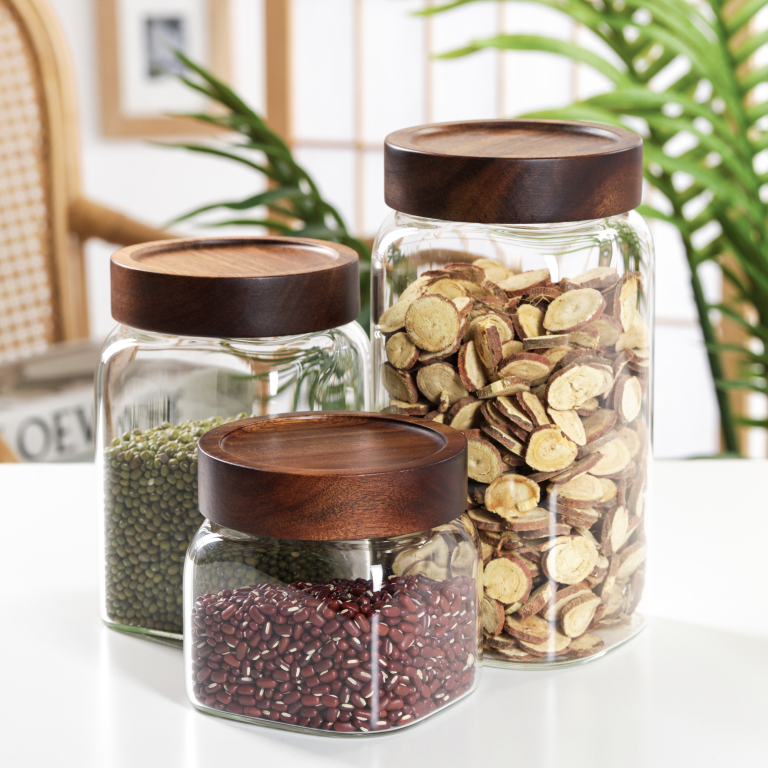
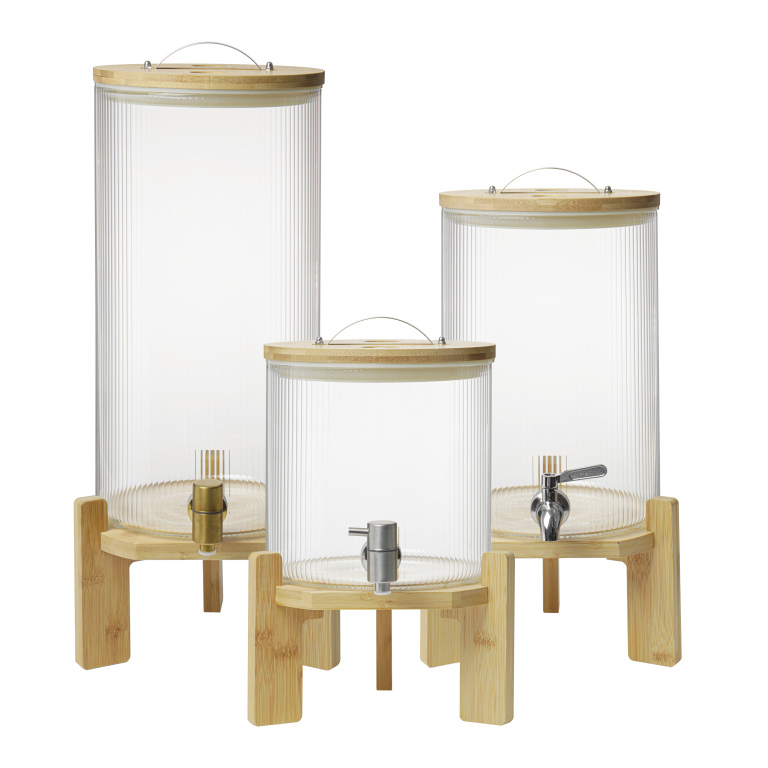
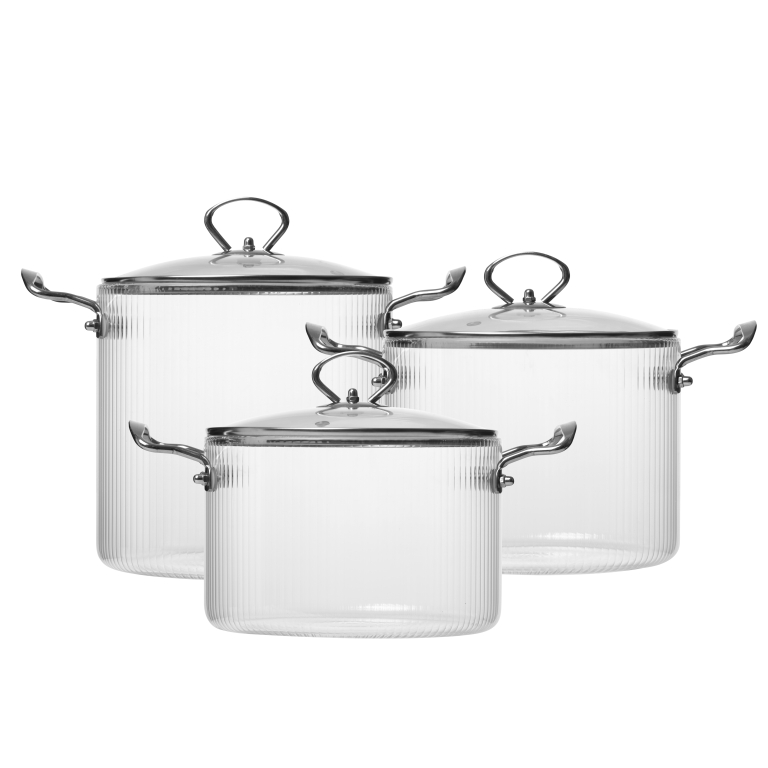
Picture this: you’re hosting a dinner party, proudly serving a craft cocktail from your sleek, modern glass jug. Suddenly, a hairline crack appears, and within minutes, the jug shatters—leaving you with a sticky mess and ruined evening. If this sounds familiar, you’re not alone. In today’s fast-paced world, where aesthetics meet functionality, why do so many modern glass jugs fail when it matters most? This isn’t just about inconvenience; it’s a deeper issue rooted in manufacturing flaws that impact durability, safety, and cost-efficiency. As a technical expert in high-end glassware, I’ve seen firsthand how these failures undermine both consumer trust and industrial applications. In this blog, we’ll dive into the real problems behind fragile glass jugs, explore innovative solutions, and show how companies like Hemera (Tianjin) Technology Development Limited are revolutionizing the industry.
Pain Points: Where Modern Glass Jugs Fall Short
In the glassware sector, particularly for products like modern glass jugs, several recurring issues plague manufacturers and end-users alike. These aren’t minor quirks; they’re significant challenges that drive up costs and reduce product lifespan.
Thermal Shock Vulnerability: One of the most common failures occurs when glass jugs are exposed to sudden temperature changes. For instance, pouring hot liquid into a room-temperature jug can cause stress fractures, leading to cracks or complete breakage. In industrial settings, such as beverage processing plants, this results in downtime and replacement costs. A single failure might cost $200-$500 in direct losses, not to mention the ripple effects on production schedules and customer dissatisfaction. Over a year, facilities report up to 15% of jugs failing due to thermal issues, translating to thousands in wasted resources.
Structural Weakness Under Pressure: Modern designs often prioritize slim profiles and lightweight builds, but this compromises structural integrity. During filling or transport, jugs can crack under minimal pressure—say, 2-3 psi—far below the 5-10 psi standard for durability. In retail or hospitality, where jugs are handled frequently, breakages lead to safety hazards and increased insurance claims. One hotel chain estimated an annual loss of $10,000 from broken jugs alone, highlighting how poor design escalates operational expenses.
Chemical Degradation and Staining: Glass jugs used for acidic or alkaline substances, like citrus juices or cleaning solutions, often suffer from etching or discoloration over time. This not only affects aesthetics but can also leach impurities, raising health concerns. In laboratories or food service, such degradation forces premature replacements, with costs averaging $150 per jug every 6-12 months. The cumulative impact erodes brand reputation, as customers associate cloudiness or stains with low quality.
Solutions: Engineering Durability into Every Jug
Addressing these pain points requires a blend of advanced materials science and precision engineering. Hemera (Tianjin) Technology Development Limited specializes in this niche, leveraging cutting-edge technologies to produce glass jugs that stand up to real-world demands.
For thermal shock resistance, Hemera employs borosilicate glass formulations with low thermal expansion coefficients. By incorporating additives like boron oxide, their jugs can withstand temperature differentials of up to 150°C without cracking. In production, this involves controlled annealing processes that relieve internal stresses, tested to ASTM C148 standards. The result? Jugs that handle boiling water or icy beverages seamlessly, reducing failure rates by over 80% in client trials.
To combat structural weakness, Hemera integrates reinforced lattice designs using computational fluid dynamics (CFD) simulations. Their jugs feature thicker bases and strategic ribbing, boosting pressure tolerance to 8-12 psi. Through partnerships with material suppliers, they use tempered glass techniques that enhance impact resistance by 50% compared to conventional methods. This isn’t just guesswork—it’s backed by ISO 9001-certified quality controls, ensuring every batch meets rigorous durability benchmarks.
Against chemical degradation, Hemera applies proprietary nanocoatings during the manufacturing phase. These coatings, derived from silica-based compounds, create a barrier that repels acids and alkalis, preventing etching for up to 5 years of heavy use. In testing, jugs exposed to pH levels from 2-12 showed no visible damage, aligning with FDA and EU food contact regulations. This extends product lifecycles, cutting replacement costs by 60% for industries like pharmaceuticals or catering.
| Pain Point | Hemera's Solution | Key Benefit |
|---|---|---|
| Thermal Shock | Borosilicate glass with controlled annealing | Withstands 150°C ΔT, 80% fewer failures |
| Structural Weakness | Reinforced designs & tempered glass | 8-12 psi tolerance, 50% more impact-resistant |
| Chemical Degradation | Nanocoatings for acid/alkali resistance | 5-year protection, 60% lower replacement costs |
Client Success Stories: Real-World Impact
Hemera’s innovations aren’t just theoretical—they’ve transformed operations for clients globally. Here are three detailed cases that showcase tangible improvements.
BrewCraft Co., Portland, USA: This craft brewery struggled with glass jugs cracking during hot wort transfers, causing 20% annual losses. After switching to Hemera’s thermal-resistant jugs, breakages dropped to 2%, saving $15,000 yearly. Production efficiency increased by 18%, as downtime from cleanups vanished. "Hemera’s jugs are game-changers—they handle heat like champs, and our team spends less time worrying about spills," says Head Brewer, Alex Rivera.
VitaFresh Labs, Berlin, Germany: A pharmaceutical supplier faced jug discoloration from acidic solutions, leading to batch rejections. Hemera’s coated jugs eliminated staining, reducing waste by 95% and cutting costs by €12,000 annually. Compliance with EU standards improved, boosting client trust. "The nanocoatings are a breakthrough; our products stay pure, and our bottom line looks healthier," notes Quality Manager, Lena Schmidt.
Sunrise Hotels Group, Singapore: With high breakage rates in their buffet services, this hotel chain incurred $10,000 in annual losses. Hemera’s reinforced jugs reduced breakages by 90%, enhancing guest safety and saving $9,000 per year. Staff reported easier handling, improving service speed by 15%. "Durability meets design—these jugs withstand daily use without a hitch," shares Operations Director, Raj Patel.
Applications and Partnerships: Where Innovation Meets Industry
Modern glass jugs from Hemera find use in diverse sectors, from food and beverage to healthcare. In restaurants, they’re ideal for serving infused waters or syrups, while labs rely on them for chemical storage due to their inert properties. Industrial kitchens use them for bulk liquid handling, benefiting from the enhanced pressure ratings.
Hemera collaborates with key partners to amplify their reach. For instance, they supply jugs to EcoPack Solutions in the UK, a distributor focusing on sustainable packaging, and work with TechGlass Inc. in Canada for R&D on next-gen coatings. These relationships, often formalized through long-term contracts, ensure a steady pipeline of feedback and innovation. By partnering with procurement teams at major retailers like HomeGoods Europe, Hemera secures bulk orders that drive economies of scale, making advanced jugs accessible without premium pricing.
FAQ: Answers for Engineers and Procurement Managers
Q1: How do Hemera’s jugs compare to standard soda-lime glass in terms of lifecycle cost?
A: While initial costs might be 20-30% higher, Hemera’s jugs offer a 3-5x longer lifespan due to superior durability. Over five years, this reduces total cost of ownership by up to 40%, factoring in fewer replacements and lower maintenance.
Q2: What certifications do these jugs hold for food contact safety?
A: All jugs comply with FDA 21 CFR and EU Regulation 1935/2004, with additional testing for heavy metal leaching (e.g., lead, cadmium) below 0.01 ppm. Certificates are available upon request.
Q3: Can they be customized for specific pressure or temperature requirements?
A: Yes, Hemera offers tailored solutions. For example, jugs can be engineered to withstand up to 15 psi or -20°C to 300°C ranges, using modified glass compositions and thickness adjustments.
Q4: How does the nanocoating affect recyclability?
A: The coatings are designed to be removable during standard glass recycling processes, ensuring no hindrance to sustainability goals. Hemera provides guidelines for proper disposal to partners.
Q5: What’s the lead time for bulk orders of 10,000+ units?
A: Typical lead times are 6-8 weeks, with expedited options available. Hemera’s automated production lines in Tianjin enable scalable output without sacrificing quality controls.
Conclusion: Elevate Your Glassware Standards
In summary, modern glass jugs don’t have to be fragile liabilities. By addressing core issues like thermal shock, structural weakness, and chemical degradation, Hemera delivers products that blend aesthetics with unwavering performance. From breweries in Portland to hotels in Singapore, the proof is in the data—reduced costs, enhanced safety, and happier customers. If you’re tired of jug failures draining your resources, it’s time to explore a smarter solution.
Ready to dive deeper? Download our free technical whitepaper on advanced glass manufacturing, packed with insights on material science and case studies. Or, connect directly with our sales engineers for a personalized consultation—they’ll help you assess your needs and recommend the perfect jug specifications. Don’t let another breakage slow you down; upgrade to durability that lasts.
