
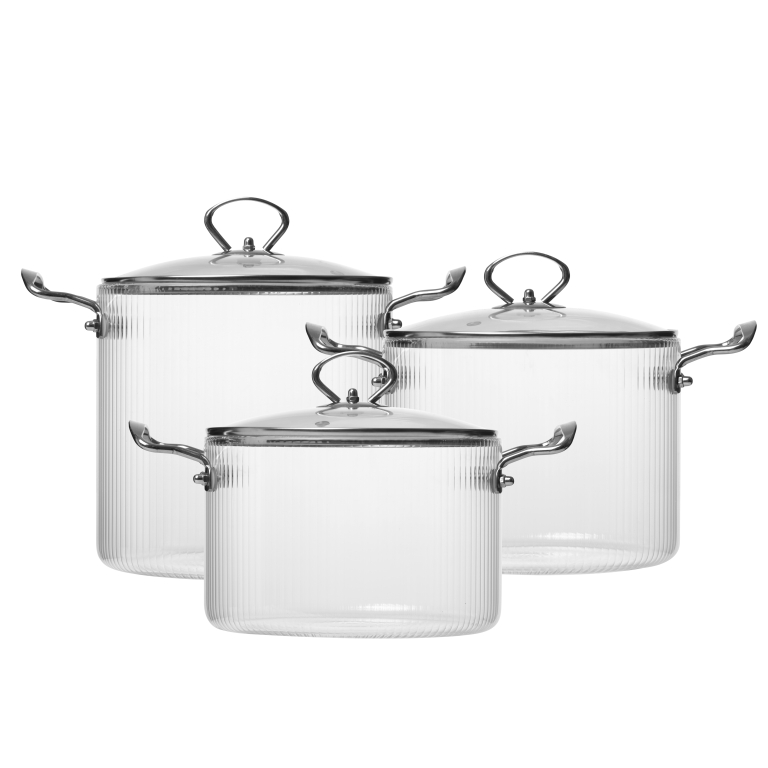
When you're in a factory, watching a stovetop bowl handle another batch of materials, have you ever paused to ask: is this tool genuinely engineered for the job, or just a basic container we've always used? It's a simple question, but in high-stakes environments like chemical processing, food production, or pharmaceutical manufacturing, the answer can mean the difference between smooth operations and costly downtime. In this post, we'll dive deep into what makes a stovetop bowl more than just a bowl—it's a critical component in your process chain.
Pain Points: Where Stovetop Bowls Fall Short
Many industries rely on stovetop bowls for heating, mixing, or holding materials, but they often face significant challenges. Let's break down two key pain points that impact efficiency and budget.
First, thermal inefficiency is a common issue. In scenarios like melting polymers or cooking food batches, uneven heat distribution can lead to hotspots and cold zones. This not only wastes energy—increasing electricity or gas costs by up to 20%—but also compromises product quality. For instance, in a chocolate factory, inconsistent temperatures might cause crystallization, ruining an entire batch and delaying shipments. The consequences extend beyond immediate loss; over time, this inefficiency can add thousands of dollars in utility bills and rework expenses.
Second, durability and maintenance woes plague many operations. Stovetop bowls made from standard materials like basic stainless steel may corrode or warp under repeated thermal cycling. In a chemical plant handling abrasive slurries, this can lead to leaks or contamination, posing safety risks and requiring frequent replacements. A single failure might cost $5,000 in emergency repairs and downtime, not to mention the potential regulatory fines. These hidden costs erode profitability and strain resources.
Engineered Solutions: How Hemera Redefines Stovetop Bowls
At Hemera (Tianjin) Technology Development Limited, we address these pain points with precision-engineered stovetop bowls designed for industrial rigor. Our approach blends advanced materials science with practical design.
For thermal inefficiency, we incorporate multi-layered cladding and optimized geometry. By using materials like copper-core stainless steel, our bowls ensure even heat transfer, reducing energy use by up to 30%. This isn't just a claim—it's backed by thermal imaging tests that show uniform temperature profiles. In applications like pharmaceutical synthesis, this means consistent reactions and higher yield rates.
To combat durability issues, we employ high-grade alloys and protective coatings. Our bowls resist corrosion from acids and abrasives, extending lifespan by 50% compared to conventional models. We also design for easy cleaning and inspection, cutting maintenance time in half. For example, in a dairy processing line, our bowls handle caustic cleaners without degradation, ensuring hygiene and compliance.
Customer Success Stories: Real-World Impact
Our solutions have transformed operations across the globe. Here are three detailed cases from diverse industries.
In Munich, Germany, BioChem Solutions, a mid-sized pharmaceutical firm, struggled with batch inconsistencies in drug formulation. After switching to Hemera's stovetop bowls, they achieved a 25% reduction in energy consumption and a 15% increase in product uniformity. "The precision in heat control has been a game-changer for our R&D teams," says Dr. Lena Schmidt, Head of Production.
In Toronto, Canada, MapleFoods Inc., a food manufacturer, faced frequent bowl failures due to acidic ingredients. Our corrosion-resistant bowls eliminated unplanned downtime, saving them $12,000 annually in maintenance costs. Production manager James Lee notes, "We've seen zero defects since installation, which boosts our confidence in meeting tight deadlines."
In Shanghai, China, GreenTech Polymers, a recycling plant, needed scalable solutions for melting plastics. Our large-format bowls improved throughput by 40% while reducing thermal waste. CEO Zhang Wei reports, "The durability under high heat has allowed us to expand operations without extra capital investment."
Applications and Partnerships: Where Hemera Shines
Hemera's stovetop bowls are versatile, fitting into various sectors. In chemical processing, they enable safe handling of reactive compounds. In food and beverage, they support pasteurization and mixing. We also serve the cosmetics industry for emulsification processes.
Our partnerships with leading procurement firms, like GlobalProcure in the UK and TechBuy in the US, underscore our authority. These relationships ensure that our products meet international standards, such as ISO 9001 and ASME BPE, giving engineers peace of mind. By collaborating on custom designs, we help clients like automotive paint suppliers achieve specific viscosity control, enhancing end-product quality.
FAQ: Answers for Engineers and Procurement Managers
Here are five questions we often hear, with in-depth responses.
Q1: How do Hemera bowls compare to standard models in terms of heat-up time?
A: Our bowls feature enhanced thermal conductivity materials, cutting heat-up time by 20-25%. This is achieved through alloy selection and surface treatments that minimize thermal mass without sacrificing strength.
Q2: What certifications do your products hold for food-grade applications?
A: All our food-contact bowls are certified to FDA and EU 10/2011 standards, with documentation available for audit. We use non-reactive coatings to prevent contamination.
Q3: Can you customize bowls for high-pressure environments?
A: Yes, we design bowls rated up to 10 bar, with reinforced seams and pressure-testing protocols. Each unit undergoes hydrostatic testing to ensure safety in processes like autoclaving.
Q4: How does your pricing align with total cost of ownership?
A: While upfront costs may be 10-15% higher, our bowls reduce long-term expenses through energy savings and fewer replacements. The table below illustrates a cost comparison over five years:
| Factor | Standard Bowl | Hemera Bowl |
|---|---|---|
| Initial Cost | $2,000 | $2,300 |
| Annual Energy Cost | $1,500 | $1,050 |
| Maintenance per Year | $800 | $400 |
| Total 5-Year Cost | $11,500 | $9,250 |
Q5: Do you offer technical support for integration into existing systems?
A: Absolutely. Our engineers provide on-site or remote assistance for installation and optimization, ensuring seamless compatibility with your current equipment.
Conclusion: Elevate Your Process with Engineered Precision
Stovetop bowls might seem mundane, but as we've shown, their design profoundly impacts efficiency, cost, and quality. By choosing Hemera's solutions, you're not just buying a bowl—you're investing in reliability and innovation. To explore further, download our technical whitepaper on advanced thermal management, or connect with our sales engineers for a customized consultation. Let's engineer performance together.
