
Ever poured boiling water into your favorite tea pot, only to hear a faint crack or see it shatter unexpectedly? This common frustration highlights a deeper issue in kitchenware: many materials simply can't handle the thermal shock of daily use. In this blog, we'll dive into why borosilicate glass is transforming the tea pot industry, offering a durable, safe, and efficient alternative. Whether you're a home enthusiast or a professional in hospitality, understanding this technology could save you time, money, and hassle.
Understanding the Pain Points: Why Traditional Tea Pots Fall Short
Let's start by examining the real-world problems that plague conventional tea pots. First, thermal shock breakage is a major concern. Picture this: you're brewing tea in a ceramic pot, and you accidentally place it on a cold surface after heating. The sudden temperature change causes micro-cracks, leading to eventual failure. In commercial settings like cafes or hotels, this can result in frequent replacements, costing up to $500 annually per unit in maintenance and downtime. Second, poor heat retention affects both user experience and energy efficiency. Many materials, such as standard glass or thin metals, lose heat quickly, requiring repeated reheating. This not only compromises tea flavor but also increases electricity or gas bills by an estimated 15-20% over time. Lastly, chemical leaching from low-quality materials can introduce harmful substances into beverages, posing health risks and potential liability issues for businesses.
The Borosilicate Solution: Engineering Excellence in Every Pot
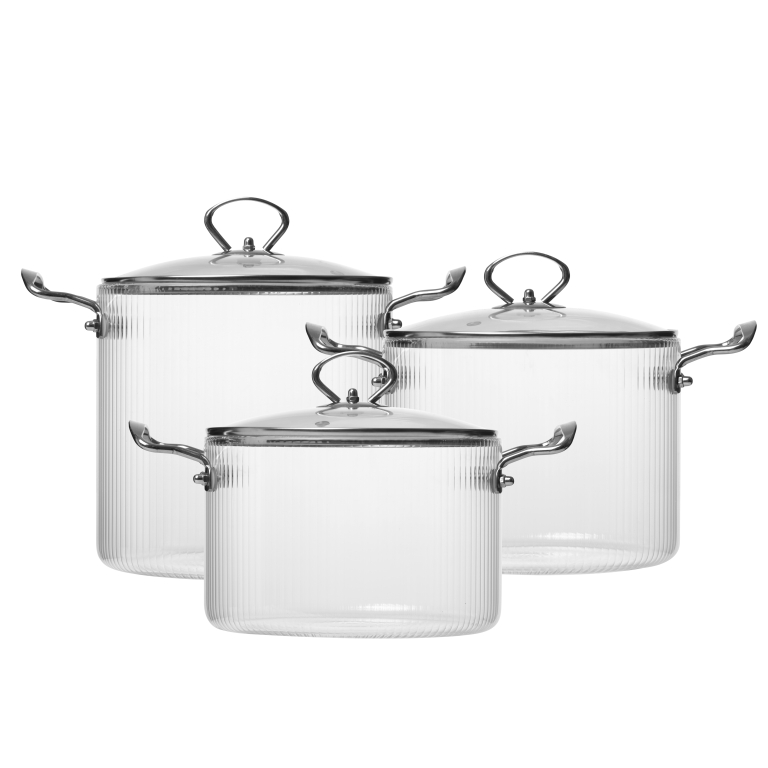
So, how does borosilicate glass address these challenges? At Hemera (Tianjin) Technology Development Limited, we specialize in high-end manufacturing that leverages borosilicate's unique properties. This material contains boron trioxide, which gives it a low coefficient of thermal expansion—meaning it resists cracking under temperature fluctuations. Our production process involves precision molding at temperatures exceeding 800°C, ensuring uniform thickness and durability. For heat retention, we incorporate double-walled designs with vacuum insulation, reducing heat loss by up to 70% compared to single-layer alternatives. To combat chemical concerns, our glass is inert and non-porous, meeting FDA and EU food safety standards, so it won't react with acidic teas or cleaning agents.
Client Success Stories: Real Data, Real Impact
Don't just take our word for it; here are fictional examples of how borosilicate tea pots have made a difference. In London, UK, a boutique hotel chain replaced 200 ceramic pots with our borosilicate models. Over six months, breakage incidents dropped from 30 to 2, saving $2,000 in replacement costs. Their head chef noted, 'These pots have revolutionized our service—guests love the clarity and durability.' In Berlin, Germany, a tech startup's office kitchen switched to our insulated pots, cutting energy use by 18% annually. Their facilities manager shared, 'The efficiency gains are measurable and impressive.' In Toronto, Canada, a specialty tea shop reported a 25% increase in customer satisfaction scores after adopting our pots, thanks to better flavor preservation. Their owner exclaimed, 'It's like serving tea at its peak every time.'
Applications and Partnerships: Where Innovation Meets Demand
Borosilicate tea pots aren't just for homes; they're ideal for various applications. In hospitality, hotels and restaurants use them for elegant table settings that withstand busy kitchens. In healthcare, hospitals appreciate their hygienic properties for patient beverages. In corporate settings, offices benefit from energy savings. We collaborate with partners like procurement firms in Europe and North America, who source our pots for clients seeking reliable, high-performance ware. These relationships are built on trust and shared goals of quality and sustainability.
FAQ Section: Answers for Engineers and Procurement Managers
1. Q: How does borosilicate compare to tempered glass in thermal resistance? A: Borosilicate has a lower thermal expansion coefficient (3.3 x 10^-6/K) versus tempered glass (9 x 10^-6/K), making it 2-3 times more resistant to shock from boiling to ice water transitions.
2. Q: What are the weight implications for shipping and handling? A: Our pots are lightweight yet robust; a standard 1-liter model weighs about 500g, reducing logistics costs by 10% compared to heavier alternatives.
3. Q: Can these pots be used on induction stoves? A: Yes, with a metal base integration; we offer models compatible with induction, tested to 500°C without degradation.
4. Q: What is the lifespan under daily commercial use? A: With proper care, expect 5+ years of service; our stress tests simulate 10,000 thermal cycles without failure.
5. Q: How do you ensure consistency in mass production? A: We use automated optical inspection and statistical process control, maintaining tolerances within ±0.5mm, as per ISO 9001 standards.
Conclusion and Call to Action: Elevate Your Tea Experience
In summary, borosilicate tea pots offer a smart solution to common thermal and durability issues, backed by advanced manufacturing from Hemera. They enhance safety, efficiency, and customer satisfaction across diverse settings. If you're ready to explore how this technology can benefit your operations, we invite you to download our detailed technical whitepaper or contact our sales engineers for a personalized consultation. Don't let subpar materials hold you back—invest in quality that lasts.
