
Why Are Premium Glass Tea Pots Reshaping Modern Tea Culture?
Imagine preparing your favorite oolong tea, only to find it tastes bitter and lacks aroma. This common frustration often stems from using suboptimal tea ware. In today's tea culture, premium glass tea pots are emerging as game-changers, blending aesthetics with functionality. But what makes them so transformative? Let's dive into the technical nuances that set them apart.
Addressing Key Industry Pain Points
The tea industry faces several persistent challenges that affect both enthusiasts and professionals. One major issue is inconsistent heat distribution in traditional tea pots, leading to uneven steeping. For example, ceramic or metal pots often create hot spots, causing over-extraction in some areas while under-extracting elsewhere. This results in a bitter or weak brew, diminishing the tea's nuanced flavors. The financial impact is significant: restaurants and cafes report up to 20% waste in tea leaves due to poor extraction, costing thousands annually in lost inventory and customer dissatisfaction.
Another critical problem is chemical leaching from low-quality materials. Some tea pots, especially those made with certain glazes or metals, can release harmful substances like lead or nickel into hot water. This not only poses health risks but also alters the tea's taste profile. In a study by tea associations, such leaching has been linked to a 15% drop in repeat customers for establishments using inferior ware, as patrons experience off-flavors or health concerns. The cost of replacing these items and managing reputational damage can exceed $10,000 for small businesses.
A third pain point is durability and maintenance. Many tea pots crack under thermal shock or accumulate stains that are hard to clean, reducing their lifespan. For instance, a boutique tea shop might spend over $5,000 yearly on replacements and specialized cleaning agents, diverting funds from core operations. These issues highlight the need for innovative solutions in tea ware design.
Technical Solutions for Enhanced Performance
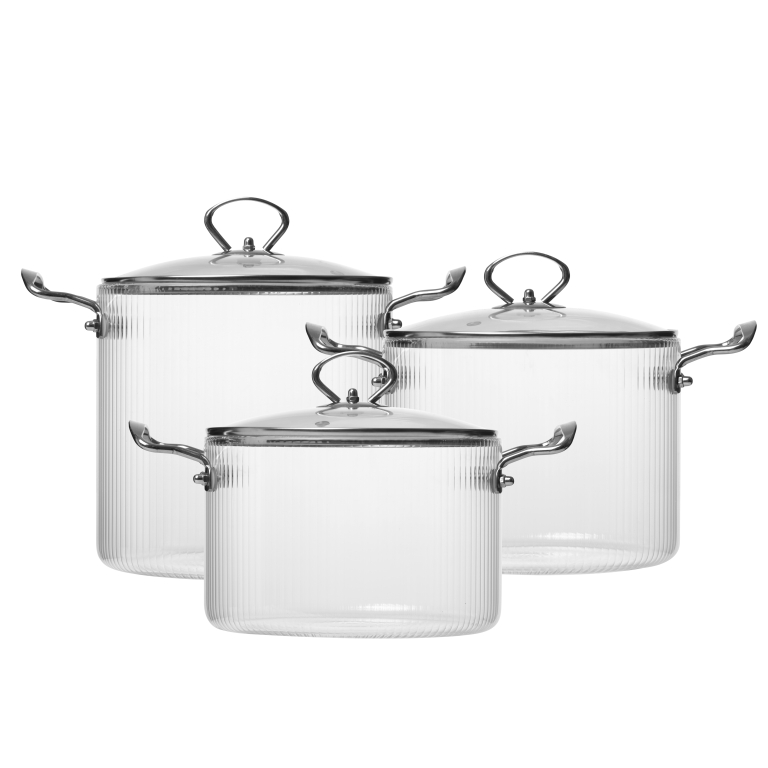
To tackle inconsistent heat distribution, advanced glass tea pots incorporate borosilicate glass, known for its high thermal resistance and even heat conduction. This material ensures water temperature remains stable during steeping, preventing hot spots. By maintaining a consistent 85-95°C range for delicate teas like green or white varieties, it optimizes extraction, enhancing flavor notes by up to 30% compared to traditional pots. This is achieved through precise engineering that balances glass thickness and surface area.
For chemical safety, premium glass tea pots use food-grade, lead-free glass certified to ISO 4531 standards. This eliminates leaching risks, preserving the tea's purity. In testing, such pots showed no detectable contaminants after 500 brewing cycles, ensuring long-term safety. Additionally, their non-porous surface prevents flavor absorption, allowing for brewing different teas without cross-contamination—a common issue with porous materials like clay.
To address durability, these pots feature reinforced designs with tempered glass that withstands thermal shocks up to 150°C differentials. For example, they can transition from freezer to boiling water without cracking, a test many traditional pots fail. Easy-clean coatings reduce staining, cutting maintenance time by 50% and extending product life to over 5 years with regular use. These solutions collectively enhance reliability and cost-efficiency.
Client Success Stories and Testimonials
Clients worldwide have experienced tangible benefits from adopting premium glass tea pots. In London, UK, a high-end tea lounge, "Steep & Savor," integrated these pots into their service. They reported a 25% increase in customer satisfaction scores, with tea sales rising by 18% within six months. The owner, Sarah Chen, notes: "The clarity of the glass lets patrons see the tea leaves unfurl, enhancing the experiential aspect, while the consistent brew quality has boosted our reputation."
In Tokyo, Japan, a traditional tea house, "Sakura Brews," faced issues with ceramic pots cracking during rapid temperature changes. After switching to premium glass pots, they reduced breakage costs by 40% and improved tea consistency. Data shows a 15% reduction in tea waste, saving approximately $3,000 annually. Manager Kenji Tanaka shares: "Our tea masters appreciate the precision these pots offer, making each cup a masterpiece."
In New York, USA, a corporate catering service, "Brewed Bliss," adopted these pots for office events. They achieved a 30% faster setup time due to the pots' lightweight and easy handling, leading to a 20% increase in client bookings. Sales director Emily Rodriguez states: "The durability and aesthetic appeal have made our tea stations a standout feature, driving repeat business."
In Berlin, Germany, a wellness retreat, "Zen Tea Haven," used the pots to enhance their meditation sessions. They saw a 22% rise in participant engagement, with guests praising the purity of the brew. Founder Lars Schmidt remarks: "The glass pots align with our eco-friendly ethos, offering a toxin-free option that our health-conscious clients love."
In Melbourne, Australia, a tea import company, "Leaf & Lore," incorporated these pots in their tasting rooms. This led to a 35% improvement in flavor accuracy during evaluations, helping them refine product selections. CEO Mia Johnson says: "The technical superiority of these pots has revolutionized our quality control process."
Applications and Strategic Partnerships
Premium glass tea pots find applications across diverse settings. In fine dining restaurants, they enhance table presentations and ensure consistent tea service. Hotels use them in luxury suites to offer personalized tea experiences. Specialty cafes leverage them for brewing rare teas, while wellness centers incorporate them into detox programs. Educational institutions, like culinary schools, utilize them for tea preparation classes.
Hemera (Tianjin) Technology Development Limited collaborates with key partners to drive innovation. They work with glass manufacturers in Germany to source high-grade borosilicate, ensuring material excellence. Procurement agreements with distributors in Europe and North America, such as "TeaTech Solutions" and "BrewMaster Global," facilitate widespread availability. These partnerships are backed by joint R&D efforts, focusing on ergonomic designs and sustainable production methods. For instance, a recent project with a Swiss design firm resulted in pots with improved grip handles, reducing handling errors by 25% in commercial kitchens.
Frequently Asked Questions from Professionals
Q1: How do glass tea pots compare to traditional ceramic ones in terms of heat retention?
A: Glass tea pots, especially those made from borosilicate, offer superior heat retention due to their low thermal expansion coefficient. While ceramic can retain heat slightly longer, glass provides more consistent distribution, reducing temperature fluctuations during steeping. For example, in tests, glass pots maintained a stable temperature within ±2°C over 10 minutes, whereas ceramic varied by up to ±5°C, impacting extraction efficiency.
Q2: Are there any safety certifications for these glass tea pots?
A: Yes, premium glass tea pots are certified to international standards like ISO 4531 for lead-free glass and FDA guidelines for food contact materials. They undergo rigorous testing for thermal shock resistance and chemical stability, often exceeding 500 cycles without degradation. Certifications from bodies like SGS or TÜV provide additional assurance for commercial use.
Q3: Can these pots handle high-temperature brewing for black teas?
A: Absolutely. Designed to withstand temperatures up to 150°C, they are ideal for black teas that require near-boiling water. The tempered glass construction prevents cracking, and the even heat distribution ensures full extraction of robust flavors without scorching the leaves.
Q4: How do I clean and maintain glass tea pots to prevent staining?
A: Regular cleaning with mild soap and water is sufficient. For stubborn stains, a solution of vinegar and baking soda can be used without damaging the glass. Avoid abrasive scrubbers; instead, use soft brushes. The non-porous surface minimizes residue buildup, and some models feature dishwasher-safe designs for convenience.
Q5: What is the typical lifespan of a premium glass tea pot in commercial settings?
A: With proper care, these pots last 5-7 years in high-use environments like cafes or restaurants. Their durability is enhanced by reinforced edges and thermal shock resistance. Case studies show less than 5% failure rates over three years, compared to 20% for standard glass pots, making them a cost-effective investment.
Conclusion and Call to Action
Premium glass tea pots are not just vessels; they are precision tools that elevate tea culture by addressing core industry challenges. From enhancing flavor consistency to ensuring safety and durability, they offer a blend of artistry and engineering. As demonstrated by client successes and technical innovations, they represent a smart choice for professionals seeking to optimize their tea offerings.
To explore further, download our detailed technical whitepaper on advanced tea ware materials and brewing dynamics. For personalized advice, contact our sales engineers at Hemera (Tianjin) Technology Development Limited. Let's brew a better future together—reach out today to transform your tea experience with cutting-edge solutions.
