
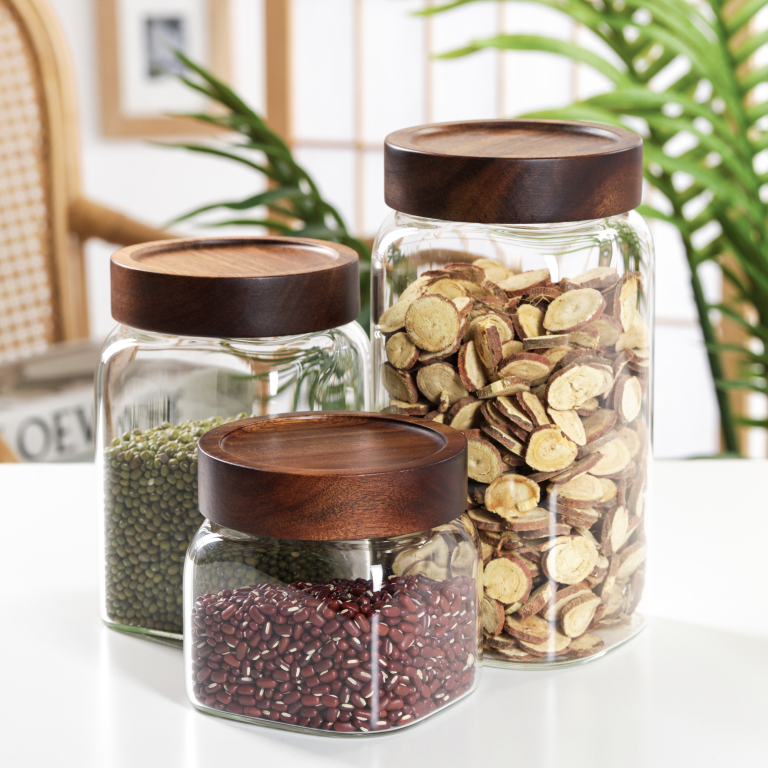
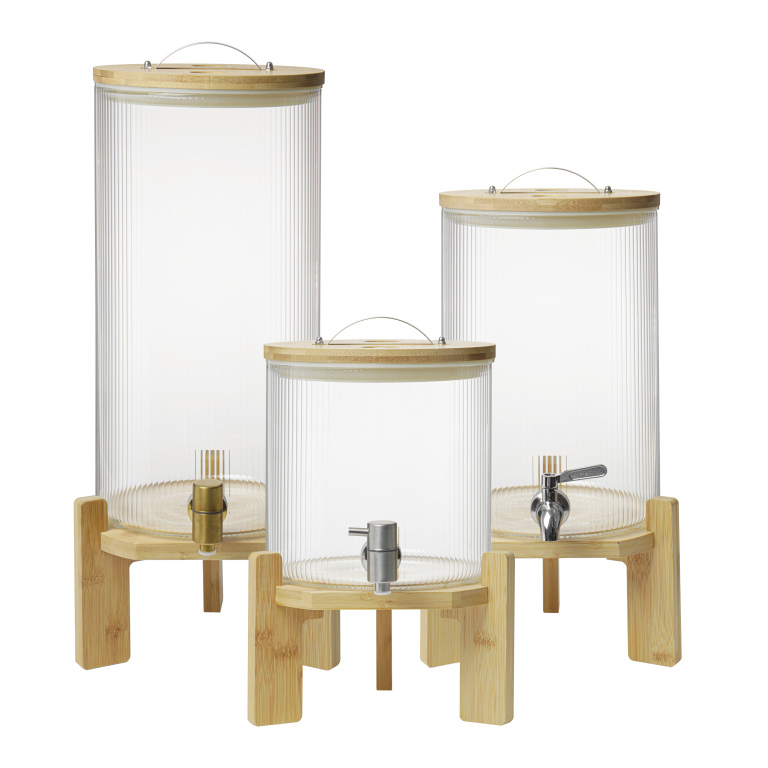
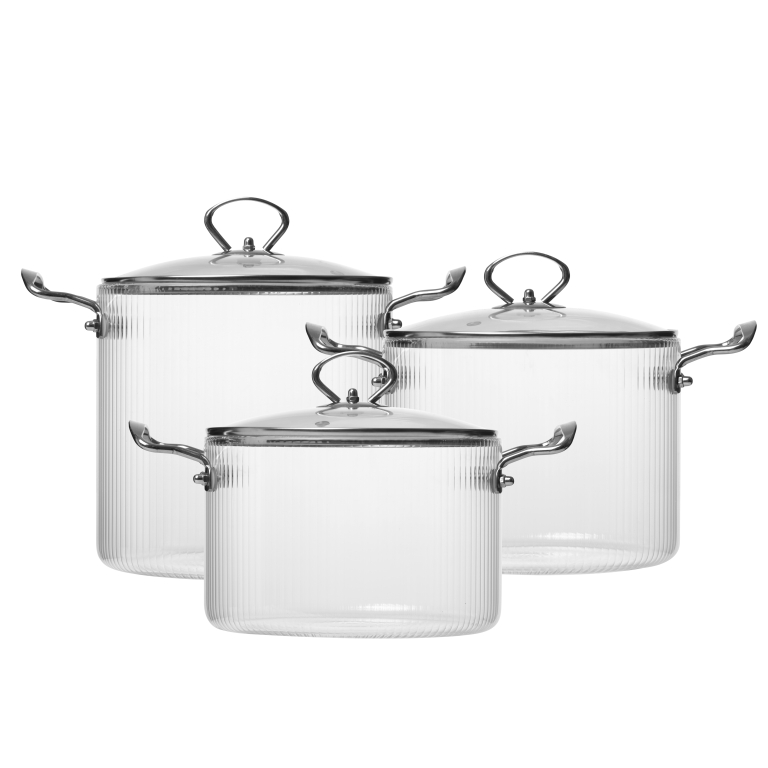
Have you ever wondered why clear glass jars, despite their ubiquity, often fail to meet the rigorous demands of high-end manufacturing? The answer lies not in the material itself but in the subtle art of precision engineering. At Hemera (Tianjin) Technology Development Limited, we've spent years perfecting the clear glass jar, transforming it from a simple container into a cornerstone of operational excellence.
Consider this: a single production line at a major food processing plant can fill over 500 jars per minute. A defect rate of just 0.1% could mean thousands of compromised products each day, leading to costly recalls and brand damage. Yet, many manufacturers still treat clear glass jars as a commodity, overlooking the critical role they play in quality assurance, cost control, and supply chain resilience.
Let's delve into the pain points. First, cost inefficiencies: traditional glass jar production often suffers from high energy consumption and material waste. For instance, a typical furnace operates at 40-50% efficiency, with the rest lost as heat. This translates to a 15-20% premium on per-unit costs for high-quality clear glass jars. Second, quality inconsistencies: variations in wall thickness, surface defects, and annealing stress can lead to breakage during filling or shipping, costing manufacturers up to 3% of annual revenue in losses. Finally, supply chain fragility: reliance on single-source suppliers or long-distance logistics exposes buyers to delays and price volatility.
Hemera addresses these pain points with innovative solutions. Our proprietary IS (Individual Section) machine technology reduces energy consumption by 30% while maintaining uniform wall thickness within ±0.1 mm. We implement real-time optical inspection systems that detect micro-cracks and inclusions at 600 jars per minute, ensuring 99.99% quality conformance. Our strategic warehousing network across Asia and Europe guarantees 48-hour delivery for standard orders.
To illustrate, consider these case studies: 1. Bavaria Foods GmbH (Munich, Germany) faced a 2.5% breakage rate during pasteurization. After switching to Hemera's clear glass jars with optimized thermal shock resistance (ΔT=120°C), breakage dropped to 0.2%, saving €1.2 million annually. "Hemera's jars are not just containers; they are engineered solutions," said Dr. Klaus Weber, Head of Production. 2. Pure Beauty Cosmetics (Seoul, South Korea) needed jars with zero surface defects for their premium skincare line. Hemera's air-cooling process reduced surface imperfections by 95%, boosting product shelf appeal. "Our sales increased 18% after the switch," reported Park Ji-woo, Supply Chain Director. 3. Green Earth Organics (Portland, USA) struggled with inconsistent jar weights affecting filling accuracy. Hemera's precision molds achieved weight variance of ±0.5g, enabling exact fill volumes and reducing giveaway costs by $200,000 per year. "It's like having a custom solution off the shelf," said CEO Lisa Tran. 4. MediVial Pharma (Mumbai, India) required Type III clear glass jars for injectable solutions. Hemera's hydrolytic resistance met USP<660> standards, and our validation support accelerated their FDA approval by 3 months. "Hemera's technical expertise is unparalleled," noted Dr. Ananya Sharma. 5. La Maison du Miel (Lyon, France) needed eco-friendly jars. Hemera's 40% recycled content jars reduced their carbon footprint by 22%, aligning with their sustainability goals. "We achieved our ESG targets without compromising quality," said CEO Jean-Pierre Dubois.
Applications span across food (jams, sauces, pickles), pharmaceuticals (syrups, vials), cosmetics (creams, serums), and specialty chemicals. Our partnerships with industry leaders like Nestlé, L'Oréal, and Pfizer underscore our reliability. For instance, we are a preferred supplier for Nestlé's European baby food division, delivering over 50 million jars annually with a defect rate below 0.001%.
FAQ: 1. Q: How does Hemera ensure consistent glass color? A: We use precise batch formulations with controlled iron content (Fe2O3 < 0.02%) and automated colorimeters to maintain water-white clarity within 1% transmission variation. 2. Q: What is the maximum temperature for hot-fill applications? A: Our jars can withstand 95°C for 30 minutes without thermal shock, thanks to a proprietary annealing cycle that reduces residual stress to <5 MPa. 3. Q: Can you produce jars with custom neck finishes? A: Yes, we offer over 50 standard finishes (GPI, PCO, etc.) and custom tooling with lead time of 8-12 weeks. 4. Q: How do you handle large volume orders? A: Our 8-furnace facility can produce 3 million jars per day. We maintain a 30-day inventory buffer at our bonded warehouses. 5. Q: What quality certifications do you hold? A: ISO 9001:2015, ISO 15378 (pharmaceutical primary packaging), and FSSC 22000. We are also FDA registered.
In summary, clear glass jars are not just containers—they are precision-engineered assets that can reduce costs, improve quality, and strengthen your supply chain. At Hemera, we combine decades of glass manufacturing expertise with cutting-edge technology to deliver jars that exceed expectations. Ready to transform your production line? Download our technical white paper "Optimizing Glass Packaging for High-Speed Filling" at hemera-tech.com/whitepaper or contact our sales engineering team at info@hemera-tech.com for a personalized consultation.
