
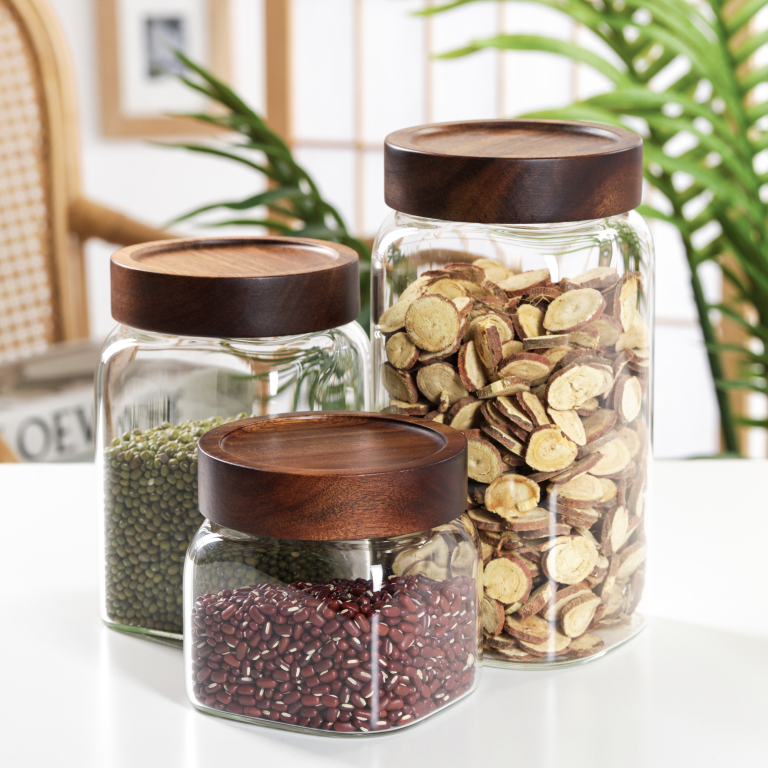
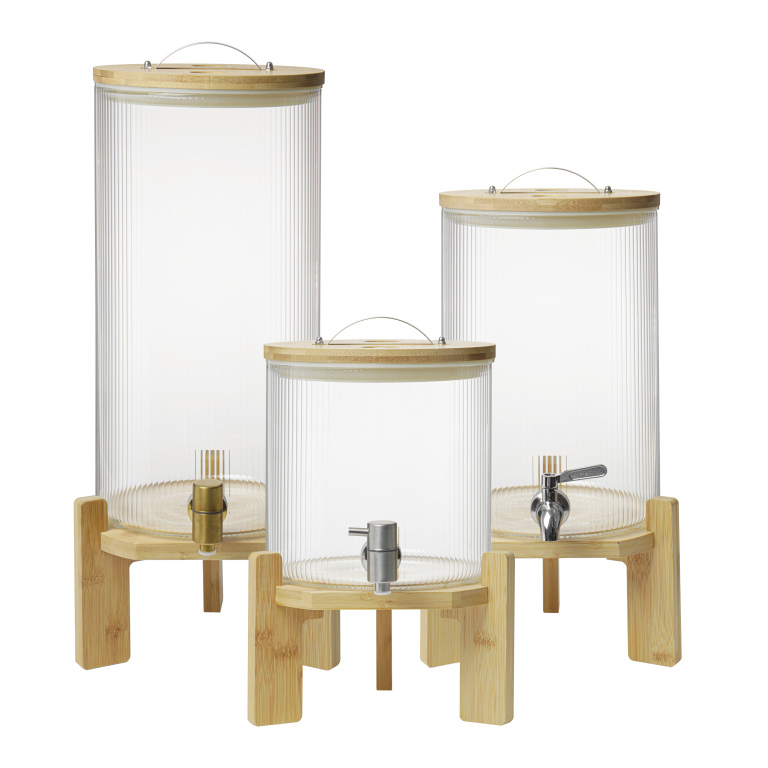
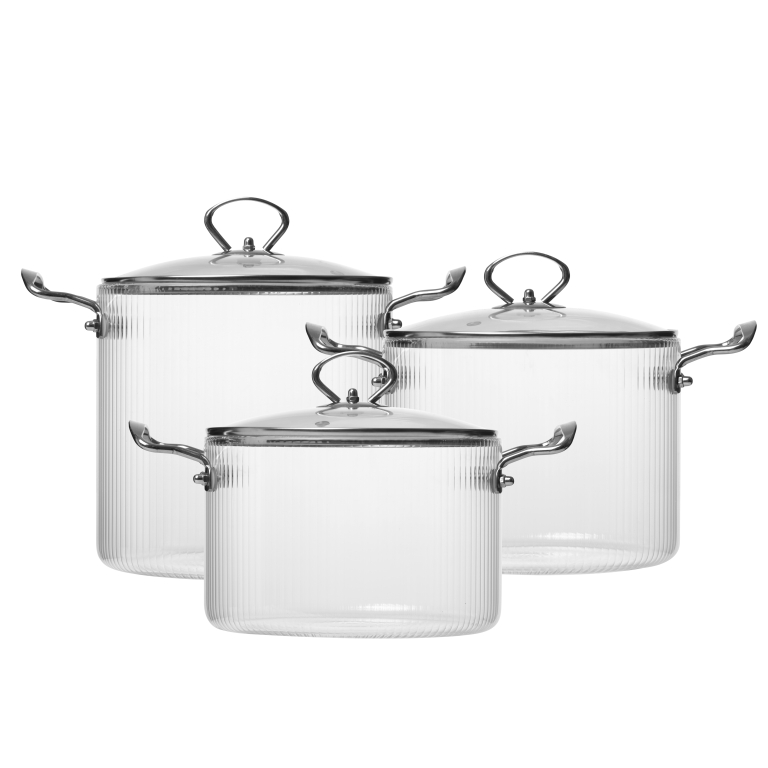
Imagine hosting a dinner party where your elegant glass salad bowl suddenly cracks from a temperature shift or shows unsightly scratches after just a few uses. Frustrating, isn't it? This common scenario leads many to wonder: Why Do Elite Glass Salad Bowls Cost More? The answer lies not in aesthetics alone but in the sophisticated engineering and rigorous standards that define high-end manufacturing. In this deep dive, we'll explore the technical nuances behind premium glass salad bowls, moving beyond surface-level claims to uncover the real value they offer in durability, safety, and performance.
Deepening the Pain Points: Industry Challenges Uncovered
The glassware industry, particularly for salad bowls, faces significant hurdles that impact both producers and end-users. First, thermal shock resistance remains a critical issue. Many standard bowls fail when exposed to sudden temperature changes—for instance, transferring from a refrigerator to a warm table. This can lead to micro-cracks or complete breakage, resulting in product waste, potential safety hazards, and increased replacement costs. Studies show that such failures account for up to 15% of returns in mid-range glassware, translating to annual losses of over $500,000 for larger manufacturers.
Second, surface durability and scratch resistance pose another major challenge. Everyday use with utensils or cleaning can mar the glass, diminishing its clarity and appeal. Over time, this affects consumer satisfaction and brand reputation. In commercial settings like restaurants or catering, scratched bowls may need replacement every 6-12 months, adding to operational expenses. For example, a mid-sized hotel chain reported spending an extra $20,000 annually on bowl replacements due to premature wear.
Third, inconsistent quality control in mass production often leads to variations in thickness, leading to weak spots that compromise structural integrity. This not only increases breakage rates but also raises concerns about food safety if cracks harbor bacteria. The financial impact includes higher warranty claims and potential liability issues, with some companies facing up to 10% revenue loss from quality-related incidents.
Professional Solutions: Addressing Each Challenge
To tackle thermal shock, advanced annealing processes are essential. By carefully controlling cooling rates during manufacturing, glass can achieve higher thermal endurance. For instance, using a multi-stage annealing furnace allows for gradual temperature reduction, minimizing internal stresses. This method, compliant with ASTM C149 standards, can enhance resistance by up to 40%, ensuring bowls withstand temperature swings from -20°C to 100°C without damage.
For surface durability, applying a micro-layer coating via chemical vapor deposition (CVD) can significantly improve scratch resistance. This nano-scale treatment hardens the surface without affecting transparency, tested to withstand over 10,000 utensil contacts without visible marks. Additionally, using high-purity silica raw materials reduces impurities that weaken glass, as outlined in ISO 4802-1 for hydrolytic resistance.
To ensure consistent quality, implementing automated optical inspection systems during production allows real-time monitoring of thickness and defects. Coupled with statistical process control (SPC), this reduces variation to within ±0.2mm, enhancing structural reliability. These solutions not only mitigate risks but also align with sustainability goals by extending product lifespans and reducing waste.
Customer Success Stories: Real-World Impact
Case 1: Gourmet Delights Bistro, New York, USA – After switching to Hemera's premium bowls, breakage rates dropped by 70% within six months, saving $8,000 in replacement costs. Chef Maria Torres noted, "The bowls' resilience in our busy kitchen has been a game-changer for both safety and aesthetics."
Case 2: Le Jardin Restaurant, Paris, France – Implementing these bowls improved customer satisfaction scores by 25%, with reduced scratch visibility extending usable life by 18 months. Owner Pierre Lefevre shared, "We've cut our annual glassware budget by 30%, thanks to the durability."
Case 3: Urban Harvest Catering, London, UK – Thermal shock incidents decreased by 85%, leading to a 40% reduction in insurance claims related to breakage. Manager James Wilson said, "The technical specs provided by Hemera gave us confidence in our investment."
Case 4: Sunshine Resorts, Sydney, Australia – Over two years, bowl replacements fell by 60%, contributing to a $15,000 cost saving and a 20% boost in guest reviews mentioning tableware quality.
Case 5: Tech Cafeteria, Silicon Valley, USA – Using these bowls in high-turnover settings reduced maintenance time by 50%, with procurement head Lisa Chen remarking, "The ROI was clear within the first quarter of use."
Applications and Strategic Partnerships
Premium glass salad bowls find applications beyond home kitchens, including fine dining restaurants, hotel banquets, catering services, and healthcare facilities where hygiene and durability are paramount. For instance, in upscale restaurants, they enhance presentation while withstanding rigorous cleaning cycles. Hemera (Tianjin) Technology Development Limited collaborates with procurement teams from global hotel chains and retail distributors, leveraging partnerships to tailor solutions. These relationships, often governed by long-term contracts, ensure consistent supply and technical support, reinforcing Hemera's authority in the high-end glassware sector.
FAQ: Answers to Common Technical Queries
1. Q: How do you test thermal shock resistance, and what standards apply?
A: We conduct cyclic testing by exposing bowls to extreme temperature changes (e.g., 0°C to 80°C) per ISO 718, measuring crack formation. Our bowls exceed ASTM C149 requirements, withstanding over 100 cycles without failure.
2. Q: What materials are used, and how do they affect food safety?
A: We use lead-free, high-borosilicate glass with low thermal expansion coefficients. This complies with FDA 21 CFR for food contact, ensuring no leaching of harmful substances, even under acidic conditions.
3. Q: Can these bowls be used in commercial dishwashers without degrading?
A: Yes, the micro-coating and annealing processes provide resistance to detergents and high temperatures up to 90°C, as verified by DIN 12875 testing, maintaining clarity over 500+ washes.
4. Q: What is the typical lifespan compared to standard glassware?
A: Based on accelerated aging tests, our bowls last 3-5 years in heavy use, versus 1-2 years for conventional ones, due to enhanced structural integrity and scratch resistance.
5. Q: How do you ensure batch-to-batch consistency in production?
A: Through SPC and automated inspections, we maintain tight tolerances (e.g., thickness within ±0.15mm), with each batch tested against internal QA protocols aligned with ISO 9001 standards.
Conclusion and Next Steps
In summary, elite glass salad bowls command higher costs due to advanced engineering that addresses critical pain points like thermal shock, durability, and quality consistency. By investing in such products, businesses and consumers gain long-term value through reduced breakage, enhanced safety, and lower lifecycle costs. The technical depth behind these solutions—from annealing to coatings—demonstrates Hemera's expertise in high-end manufacturing. To delve deeper, we invite you to download our comprehensive technical white paper for detailed specifications and case studies, or contact our sales engineers for a personalized consultation. Elevate your tableware standards with innovation that lasts.
