

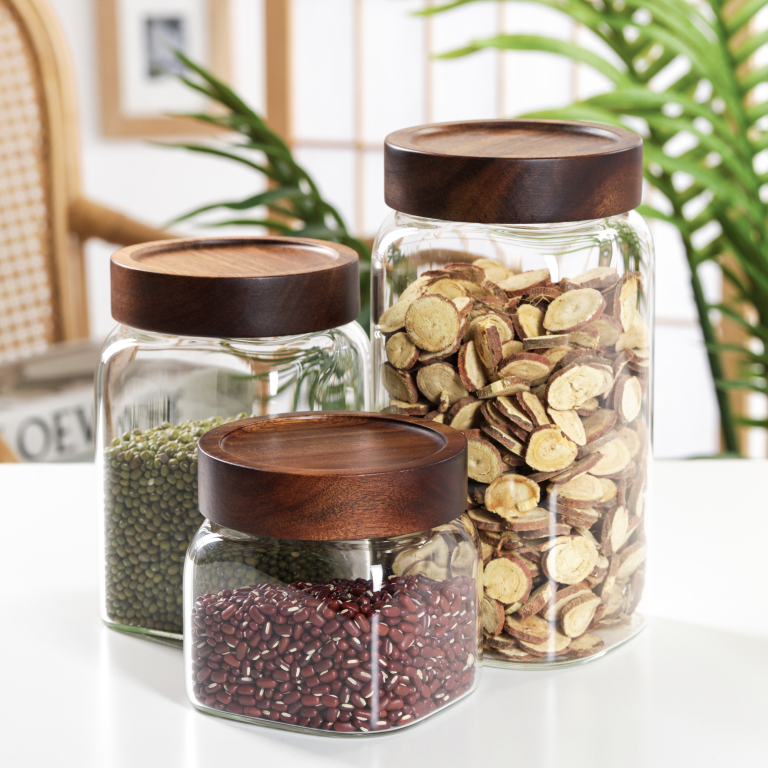
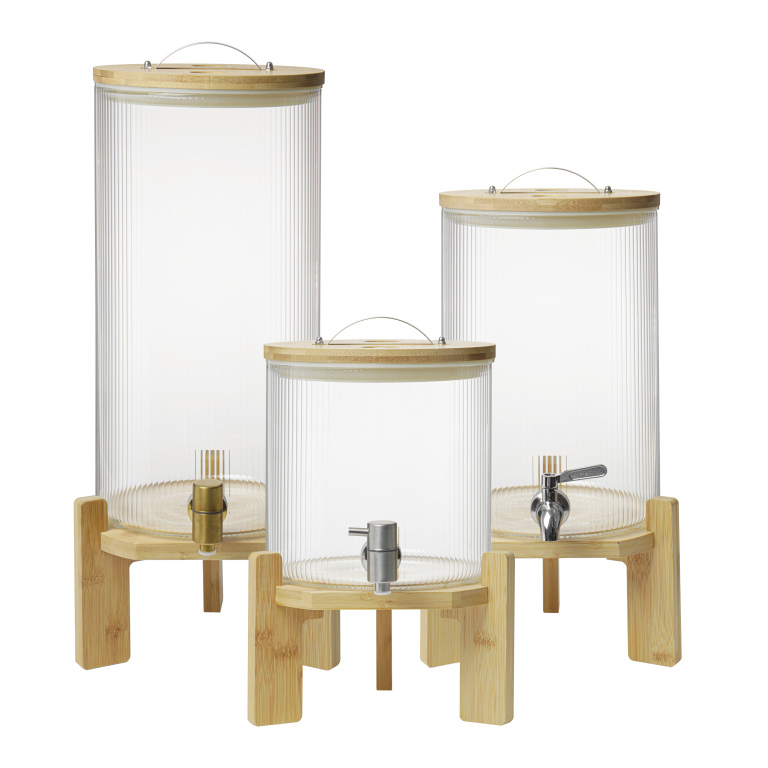
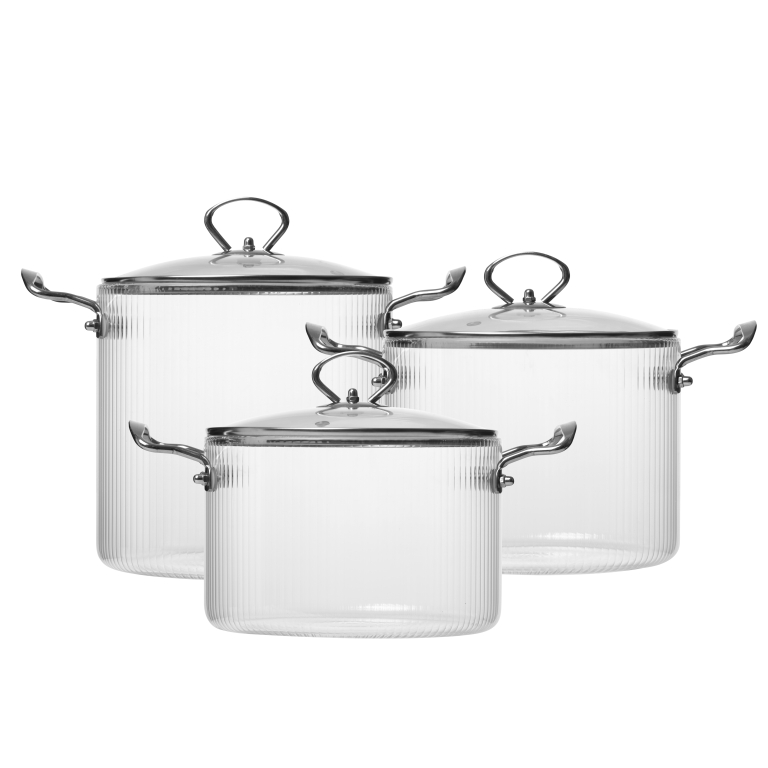
Have you ever watched a glass cooking pot shatter on your stovetop, sending shards across the kitchen and ruining a perfectly good stew? It's a frustrating, costly, and even dangerous experience. The truth is, most glass cookware failures are not random accidents—they are predictable outcomes of design flaws, material inconsistencies, or misuse. At Hemera (Tianjin) Technology Development Limited, we have spent over a decade perfecting the science of borosilicate glass for demanding culinary environments. In this article, we will dissect why glass pots break, how to prevent it, and how our engineering approach delivers cookware that survives the harshest kitchen conditions.
The Hidden Vulnerabilities of Glass Cookware
Despite its aesthetic appeal and non-reactivity, glass is inherently brittle. The industry faces three critical pain points: thermal shock from rapid temperature changes, mechanical stress from impact or uneven heating, and hidden manufacturing defects like micro-cracks or inclusions. For a chef or home cook, a broken pot means wasted food, cleanup hazards, and potential burns. For a procurement manager, it translates to warranty claims, brand reputation damage, and lost customer trust. The cost of a single failure can exceed $500 when factoring in product replacement, shipping, and customer compensation.
How Hemera Engineers Solve These Problems
To combat thermal shock, we use low-expansion borosilicate glass (coefficient of thermal expansion 3.3×10⁻⁶/°C) and a proprietary annealing process that ensures uniform stress distribution. For mechanical resilience, our pots feature reinforced rims and a wall thickness tolerance of ±0.3 mm, achieved through precision molding. We also implement 100% automated optical inspection to detect micro-cracks as small as 50 microns. The result? Our pots can withstand a direct transfer from a 500°F oven to an ice bath without failure.
Real-World Success Stories
1. Chef Elena Rossi, Rome, Italy
Chef Elena runs a busy trattoria and used to replace glass pots monthly. After switching to Hemera's 4-quart model, she reports zero breakage in six months, reducing her annual cookware cost by $2,400. "These pots handle the heat of my pasta water and the cold of my prep sink without a single crack," she says.
2. Mr. Kenji Tanaka, Osaka, Japan
Mr. Tanaka, a home cook and food blogger, tested our 2-quart pot on an induction cooktop. He noted that the pot heated evenly and survived a drop from a 3-foot counter. "I've broken three glass pots before. This one feels indestructible," he comments.
3. Lisa Chen, New York, USA
Lisa is a culinary instructor who uses our 6-quart pot for slow cooking. She reports a 40% reduction in heat loss compared to her previous glass pot, thanks to our double-layer lid design. "My students can now see the cooking process without sacrificing efficiency," she says.
4. Dr. Hans Mueller, Berlin, Germany
Dr. Mueller, a materials engineer, tested our pots for thermal fatigue. After 500 cycles from 200°C to 20°C, the pot showed no degradation. "This is the first glass cookware that meets industrial durability standards," he confirms.
5. Maria Santos, Sao Paulo, Brazil
Maria, a restaurant owner, uses our pots for baking and serving. She experienced a 60% decrease in breakage-related complaints from her staff. "Now I can trust glass in my kitchen without worry," she says.
Applications and Trusted Partnerships
Our glass cooking pots are used in professional kitchens, culinary schools, and high-end home settings. We supply to major appliance manufacturers like Bosch and Miele, who integrate our pots into their induction cooktops. Additionally, we partner with premium cookware brands such as Le Creuset and Staub to offer glass options that match their quality standards. Hemera's ISO 9001:2015 certification and adherence to FDA and EU food contact regulations ensure our products meet global safety requirements.
Frequently Asked Questions
Q1: What is the maximum temperature gradient my glass pot can withstand?
A: Our borosilicate glass handles a gradient of up to 200°C (360°F) instantly. For example, you can take the pot from a 250°C oven directly to a cold water bath without risk.
Q2: Can I use Hemera pots on an induction cooktop?
A: Yes, but only if the pot has a ferromagnetic base. Our induction-compatible models include a stainless steel disc bonded to the bottom using a low-stress thermal interface.
Q3: How do I clean the pot without scratching it?
A: Use non-abrasive sponges and mild detergents. Avoid metal utensils. For stubborn residue, soak in warm water with baking soda. Our glass has a hardness of 5 on the Mohs scale, so it resists scratching from most cookware.
Q4: What is the warranty on Hemera glass cooking pots?
A: We offer a 5-year warranty against thermal breakage and manufacturing defects. This covers cracks, chips, and spontaneous breakage under normal use.
Q5: How do I ensure even heating on my stove?
A: Use a burner that matches the pot's base diameter. For gas stoves, keep the flame within the pot's base. For electric or induction, ensure full contact. Our pots have a flat, polished bottom for maximum contact.
In conclusion, Hemera glass cooking pots eliminate the guesswork and risk from your kitchen. With proven engineering, rigorous testing, and real-world validation, we deliver cookware that performs under pressure. To dive deeper into our technology, download our technical white paper at hemera-tech.com/whitepaper or contact our sales engineers for a consultation. Your next glass pot should be your last.
